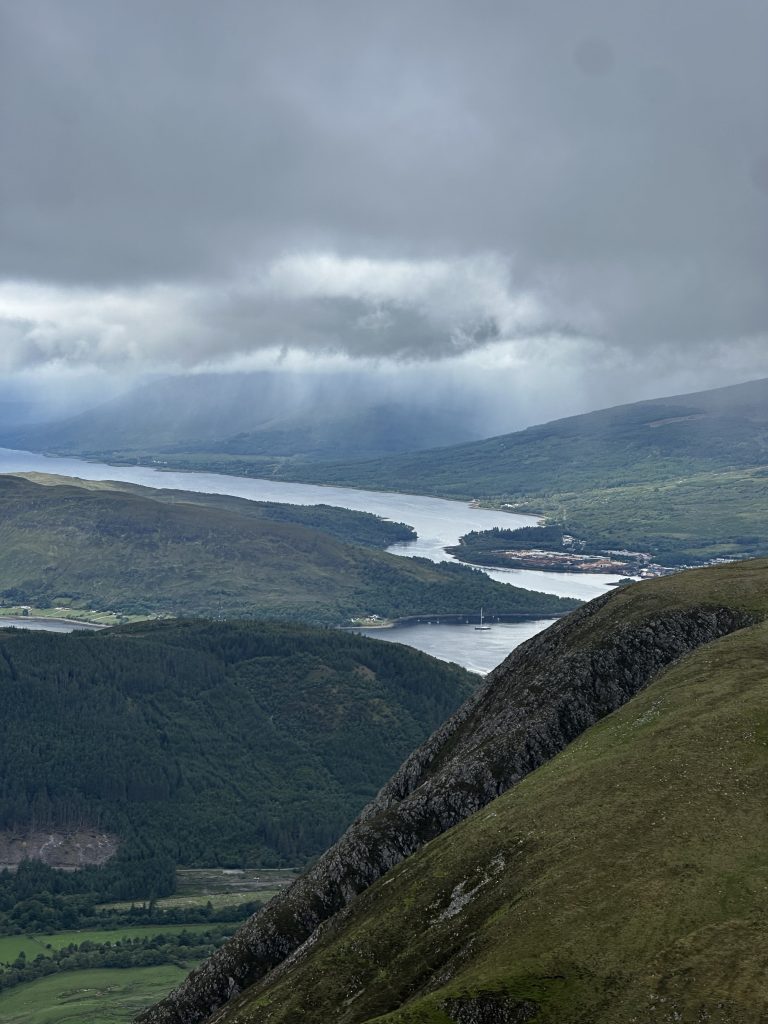
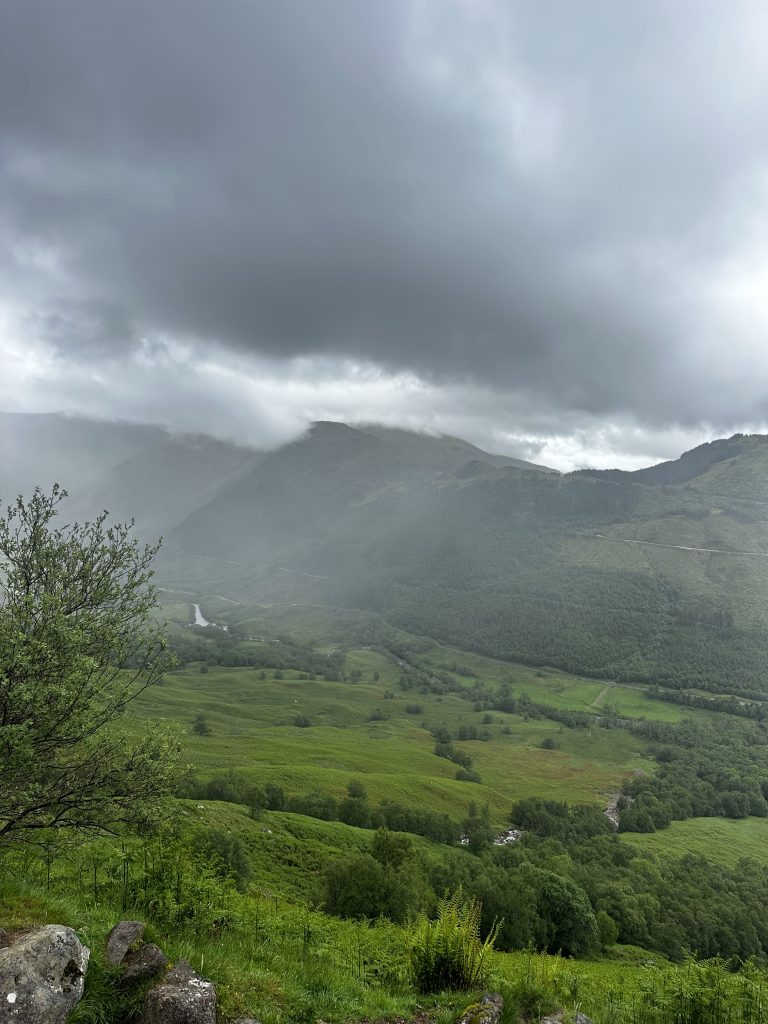
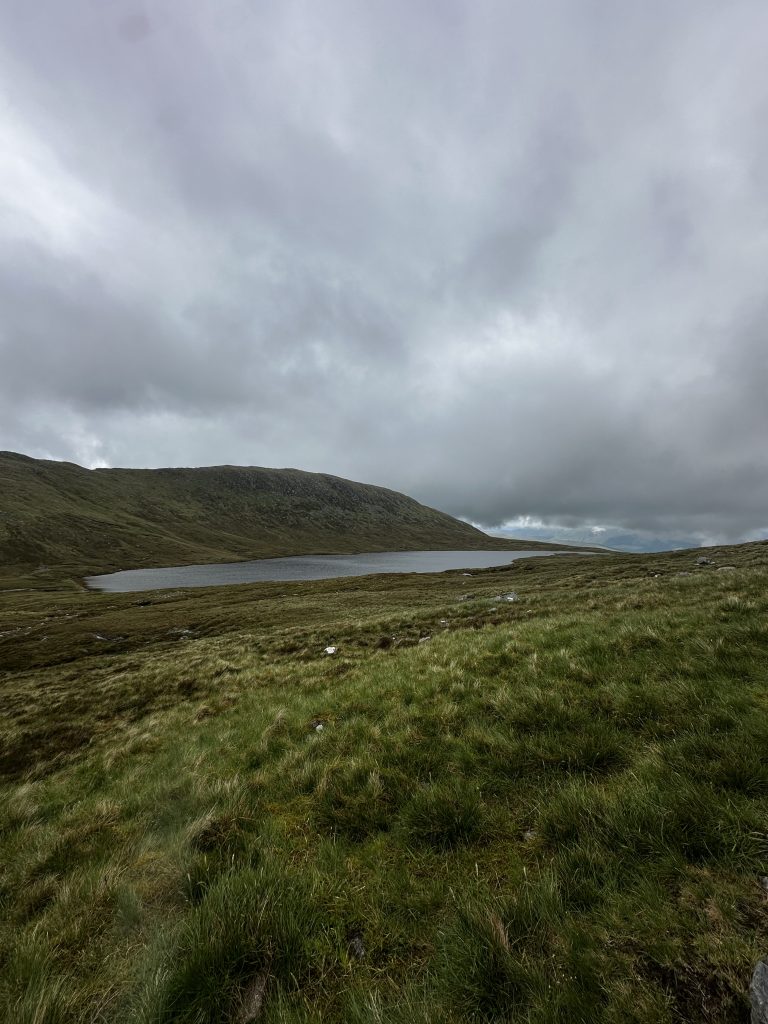
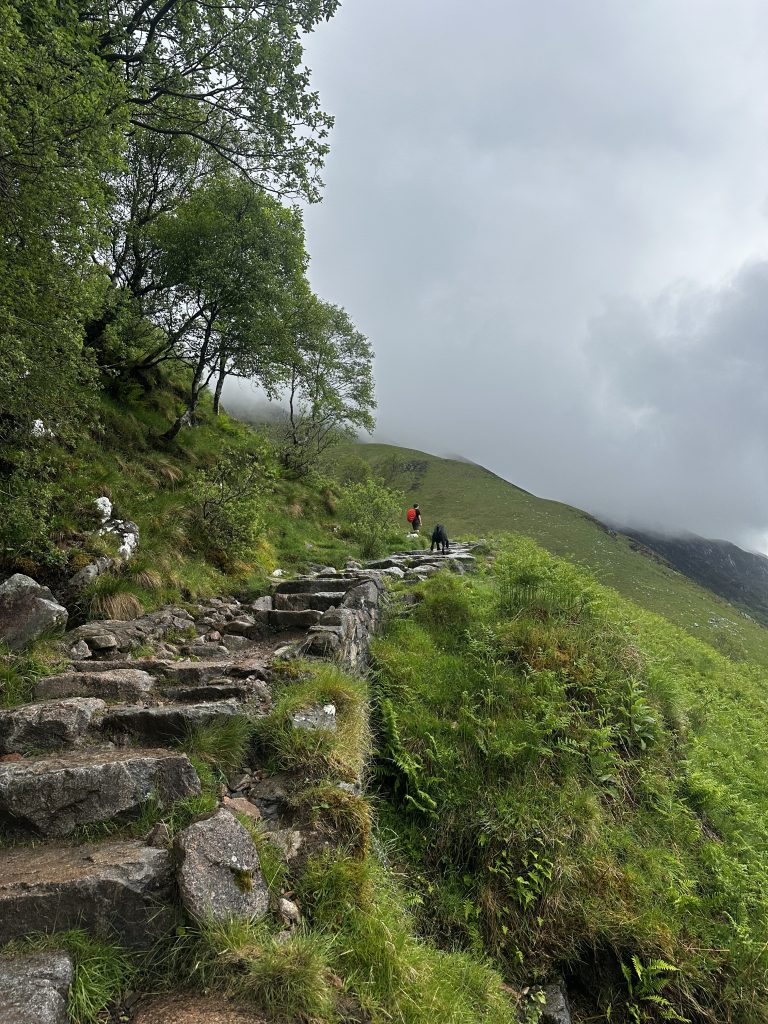
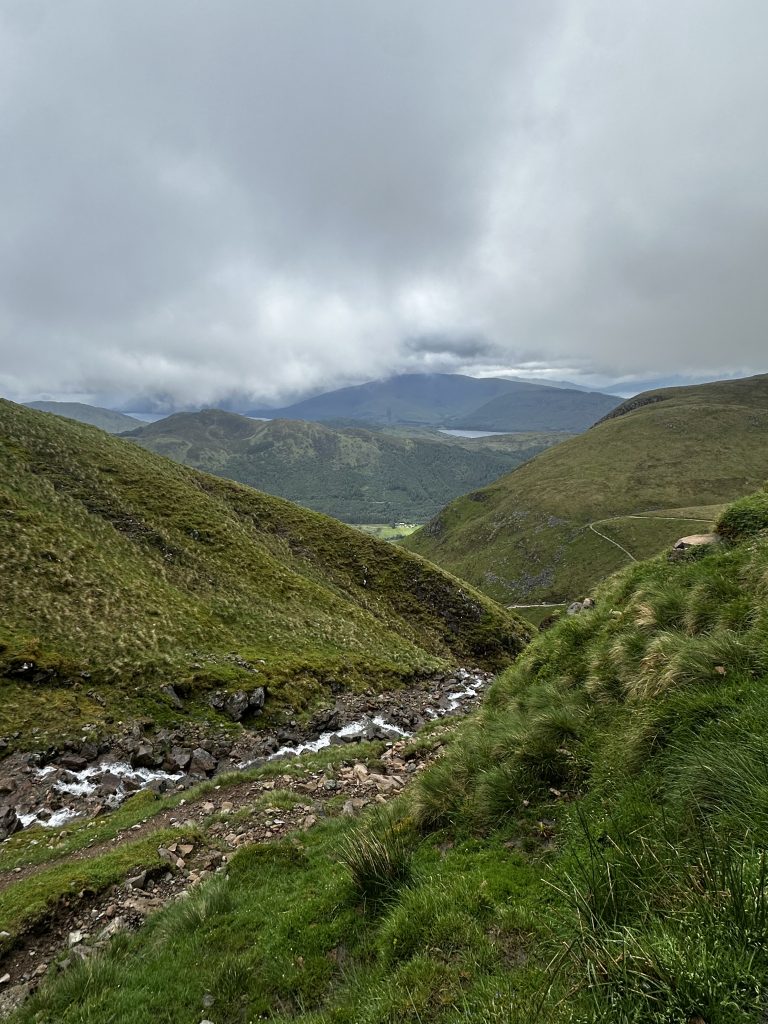
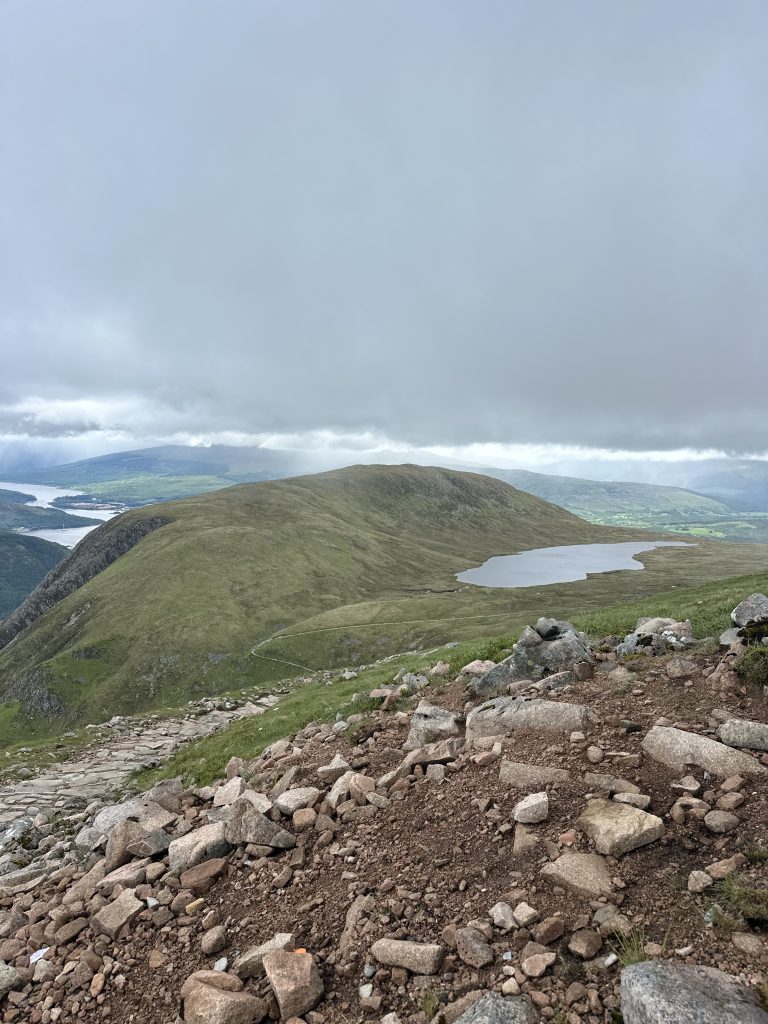
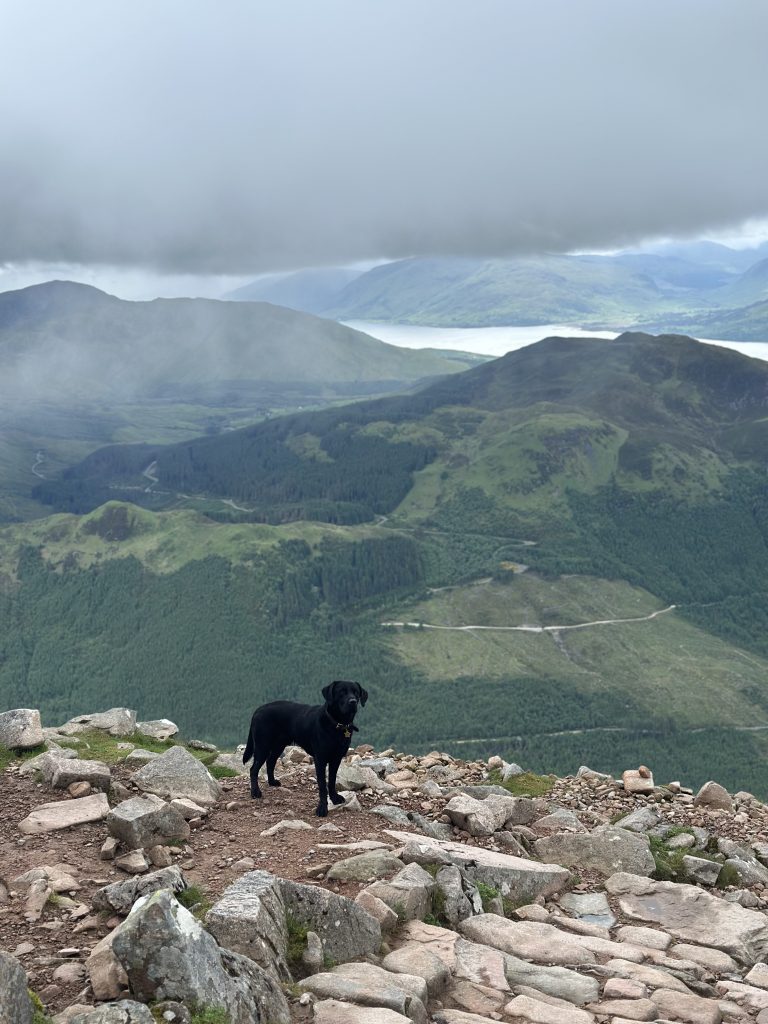
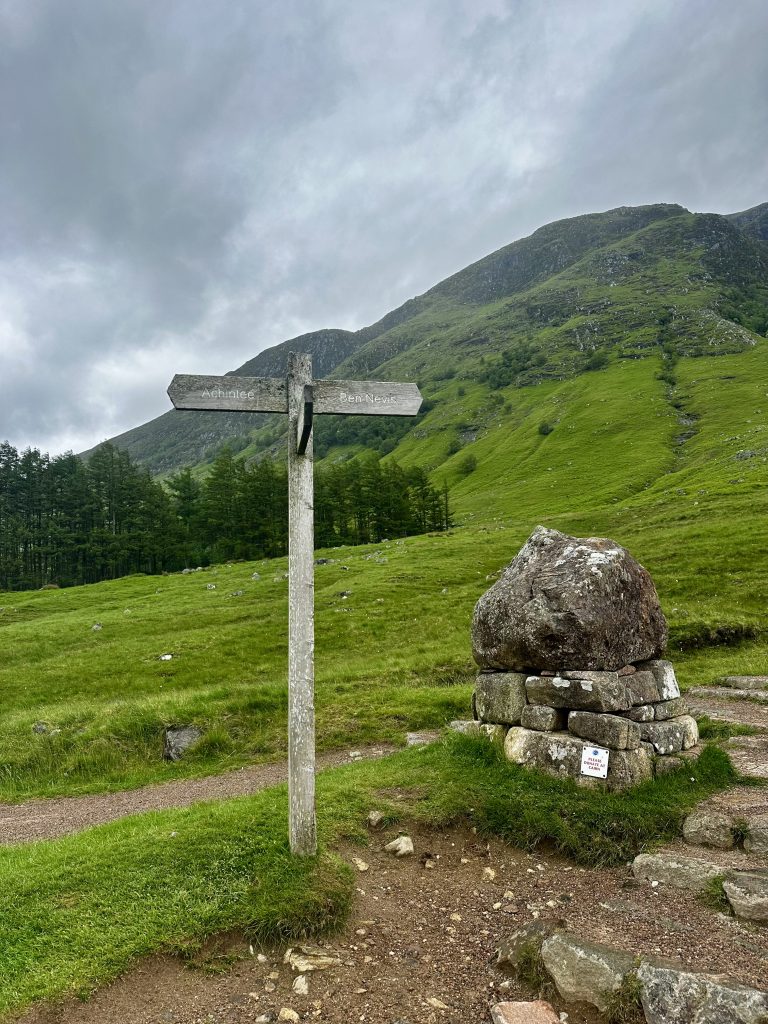
Romantically, I envisaged vast landscapes, amazing views and solitude.
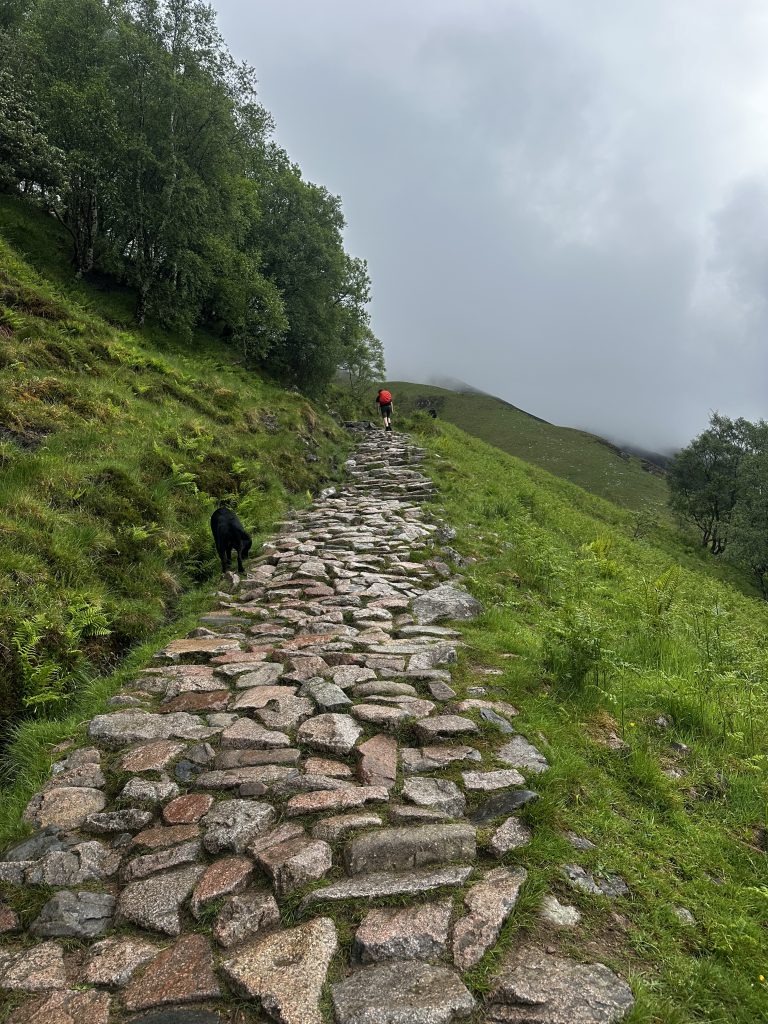
The path was properly and solidly built. There is no way you can get lost, more so because it rather felt like walking the Royal Mile. There were so many folk and it was only a Thursday I hate to think how many more there would be on the weekend.
The 17 km were easily done with the 1352 altitude being the only real challenge and the very summit being engulfed in clouds with some heavy rain outbreaks at times.
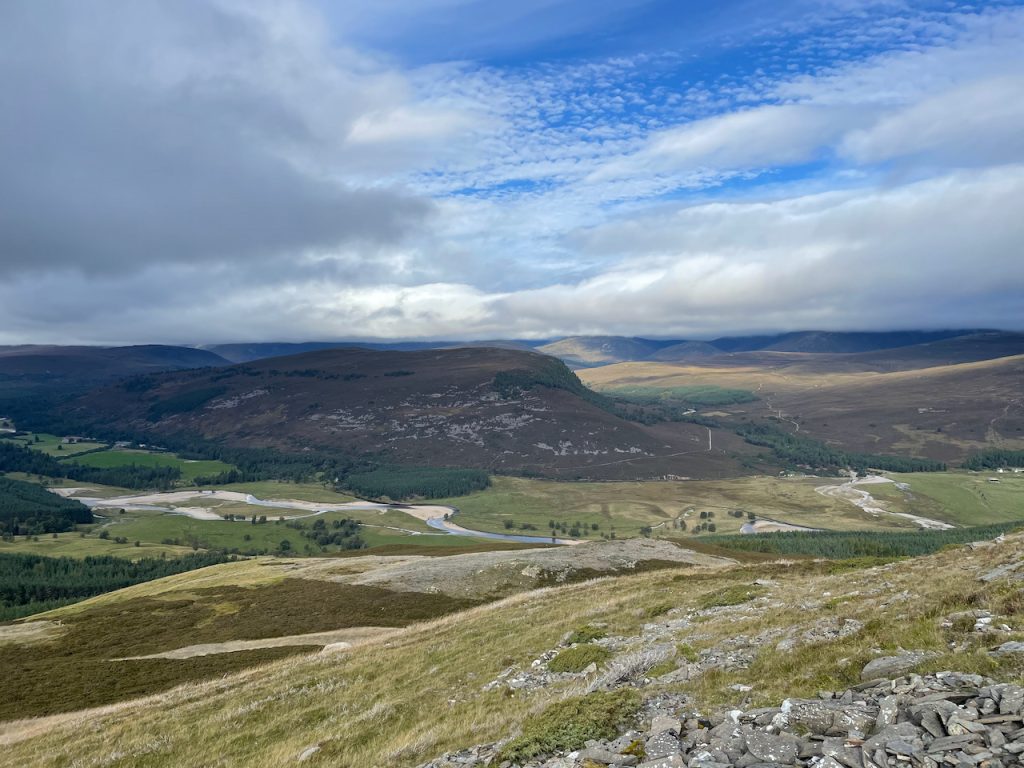
The views were breathtaking and plentiful.
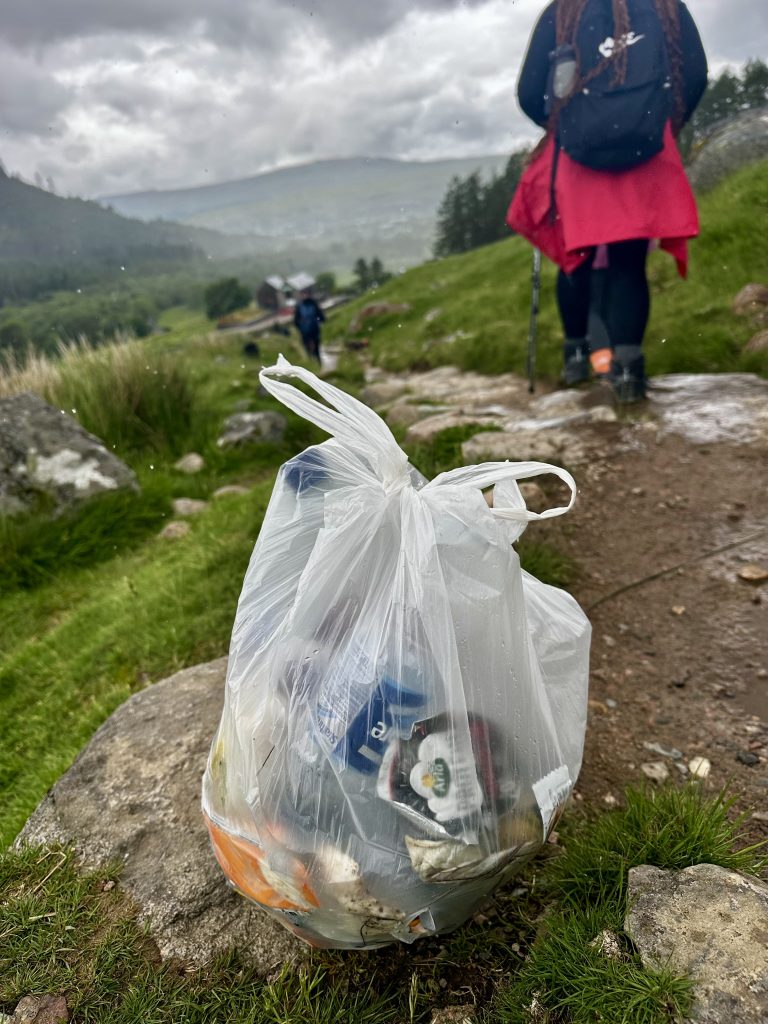
We encountered some snow and the hike in the winter months must be very challenging. I had packed plenty of clothes wrapped in plastic bags but only had to use some of it. On the way up I had noticed a lot of rubbish so on my descend I utilised my now spare plastic bags to collect it.
Overall a nice enough experience though I would rather go fora less known Munro or a Corbett. If I happen to be near the area I would rather opt for the more challenging and less busy “Ben Nevis by the Carn Mor Dearg Arête”
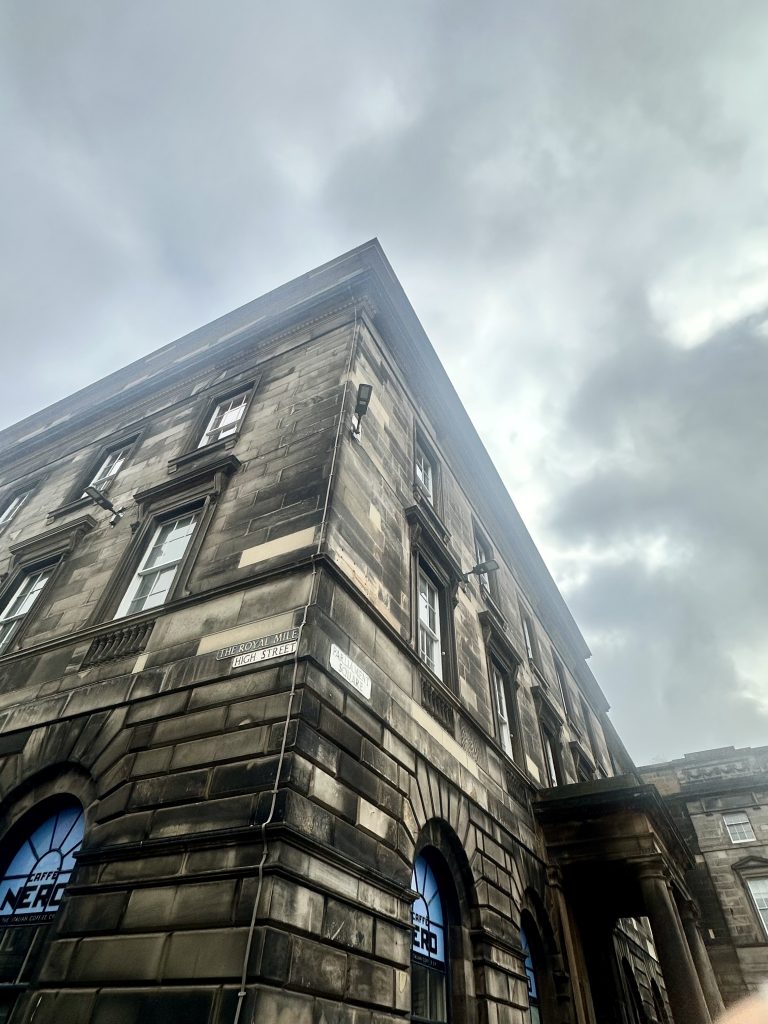
Edinburgh is a city that carries its history not merely in stone, but in silence. Nowhere is this more keenly felt than in the quiet succession of buildings that have, at different times, held—or awaited—the voice of Scotland. Four parliaments, or rather four intentions of parliament, mark the shifting story of a nation negotiating its place within itself and within the Union.
I. The First Parliament — Parliament Square, Royal Mile
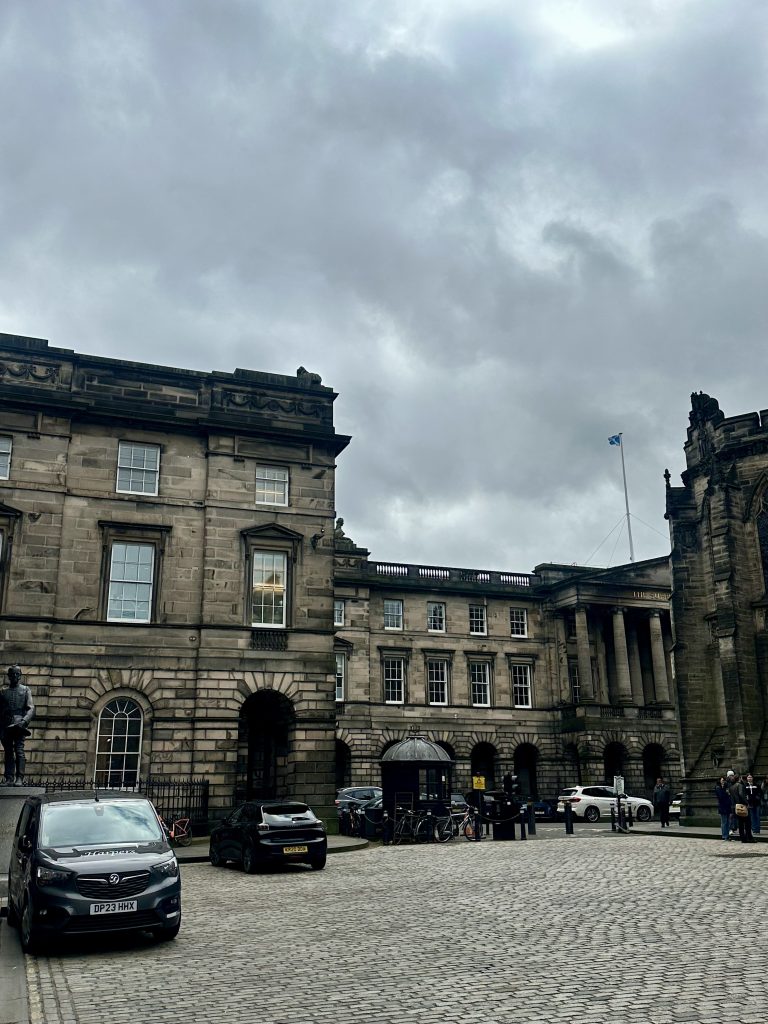
At the heart of the Parliament Square stands the original home of Scotland’s legislature: the Old Parliament House, completed in the 17th century. Here, beneath its hammerbeam roof, the Estates of Scotland once gathered—nobility, clergy, and burgh commissioners—each representing a strand of the realm.
Parliament Square, Royal Mile Edinburgh, Build 1632-1640
This was a parliament of proximity and presence. Debate was not abstract but immediate, conducted within a chamber where power could be felt in breath and gesture. Yet in 1707, with the passing of the Acts of Union 1707, the Scottish Parliament dissolved itself. Sovereignty, or at least its legislative expression, moved south to Westminster.
Old Parliament
The building did not fall into ruin. Instead, it found a second life as part of Scotland’s legal system, becoming home to the Court of Session. Law replaced legislature; judgment replaced debate. The voice of Scotland did not vanish, but it changed its register.
II. The Unused Parliament — Calton Hill’s Quiet Intention
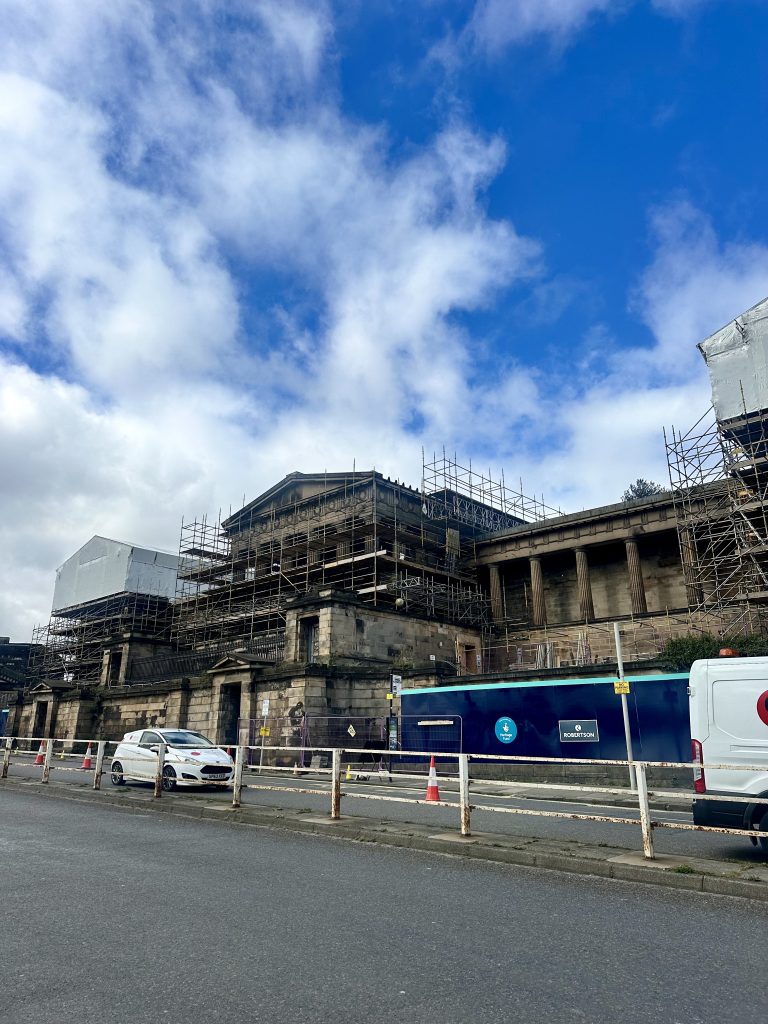
Designed in the 1820s by Thomas Hamilton in a noble Greek Revival style, it was built as a school for boys—an institution of learning and discipline, befitting Edinburgh’s reputation as the “Athens of the North”. Its colonnaded façade speaks not of haste, but of aspiration: a city aligning itself with the ideals of antiquity.
Yet in the 20th century, its purpose shifted. By the 1930s—your reference to 1936 touches on the period when civic and governmental functions expanded nearby, including developments that now relate to City of Edinburgh Council—the Old Royal High School began to be considered as a potential seat of governance.
In the 1970s, during renewed discussions around Scottish self-government, the building was prepared—quietly, almost expectantly—to serve as a parliament chamber. Seating was installed. Infrastructure was laid. Telephones waited for voices that never came.
The referendum of 1979 did not deliver devolution. And so the building remained—a parliament in readiness, yet unused. For decades it stood as a kind of architectural pause: a chamber furnished for democracy, but without a mandate to speak.
Only in recent years has its fate shifted again, with plans—contentious and debated—to convert it into a hotel. Even scaffolded, even repurposed, it carries the weight of what might have been.
III. The Civic Seat — The Council Chamber
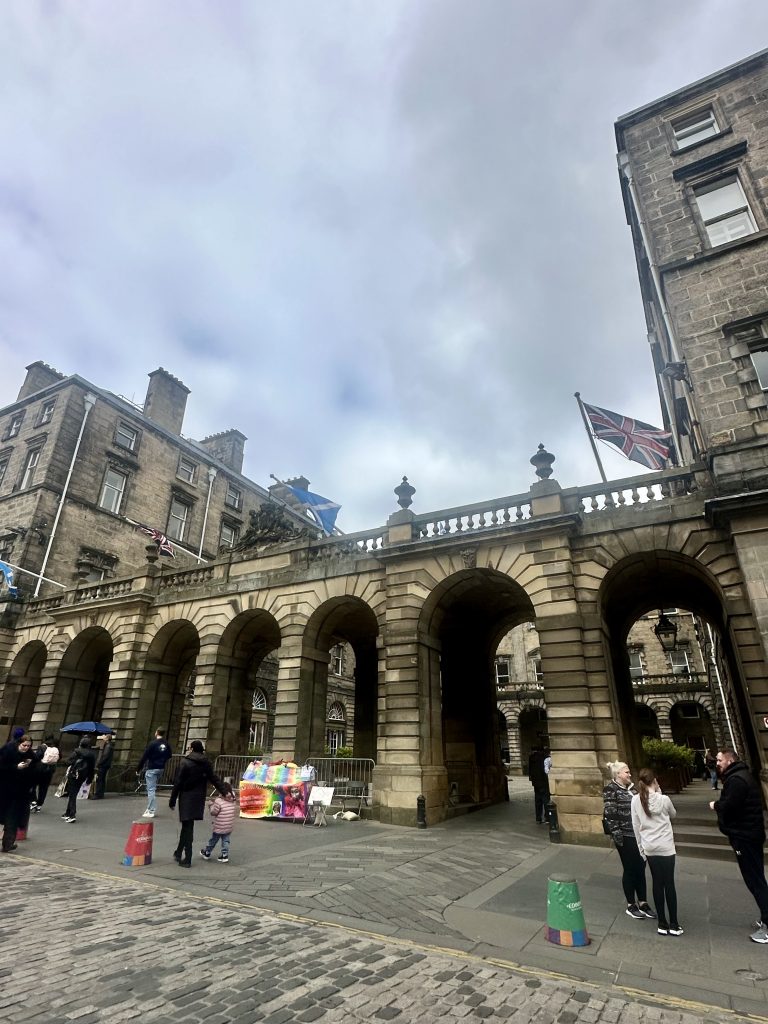
Back down on the Royal Mile, within the complex now known as the Edinburgh City Chambers, governance continued in a different form. Though not a national parliament, the council chambers represent the persistent machinery of local democracy.
The development of municipal buildings in the early 20th century, including expansions around the 1930s, reflected a broader societal shift: governance was no longer solely the domain of aristocratic estates but increasingly of civic administration. Education, sanitation, housing—these became the concerns of government, and they required buildings not of grandeur alone, but of function.
In this sense, the council chamber is perhaps the most quietly important of the four. It represents continuity. While national questions ebbed and flowed, local governance endured.
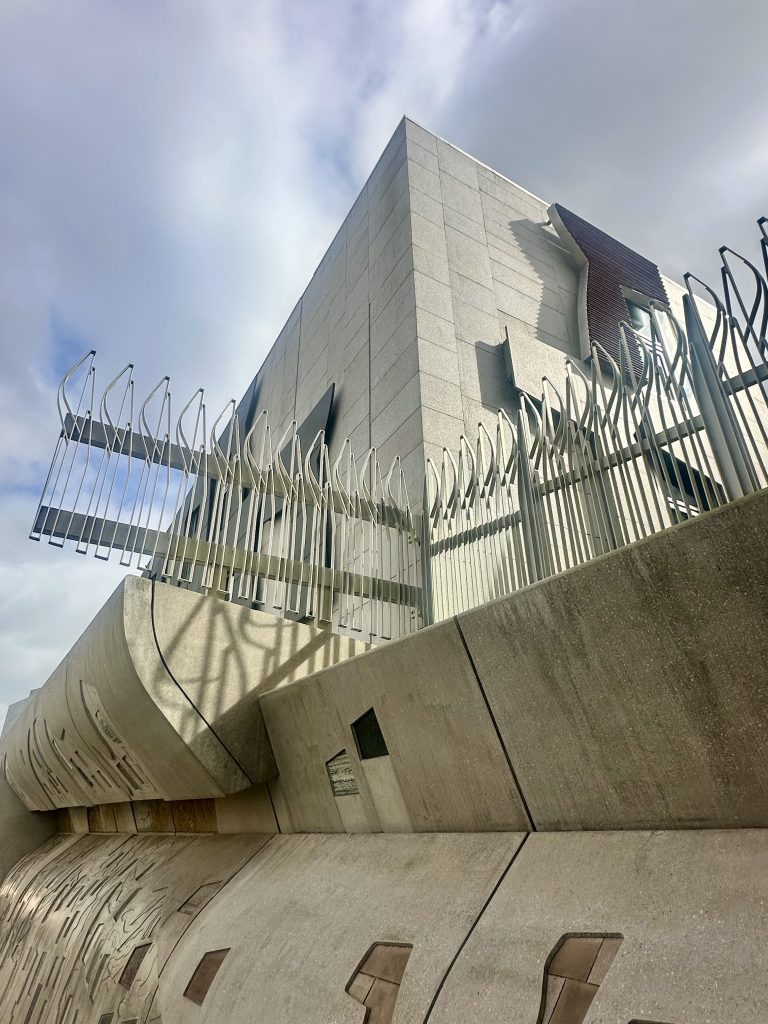
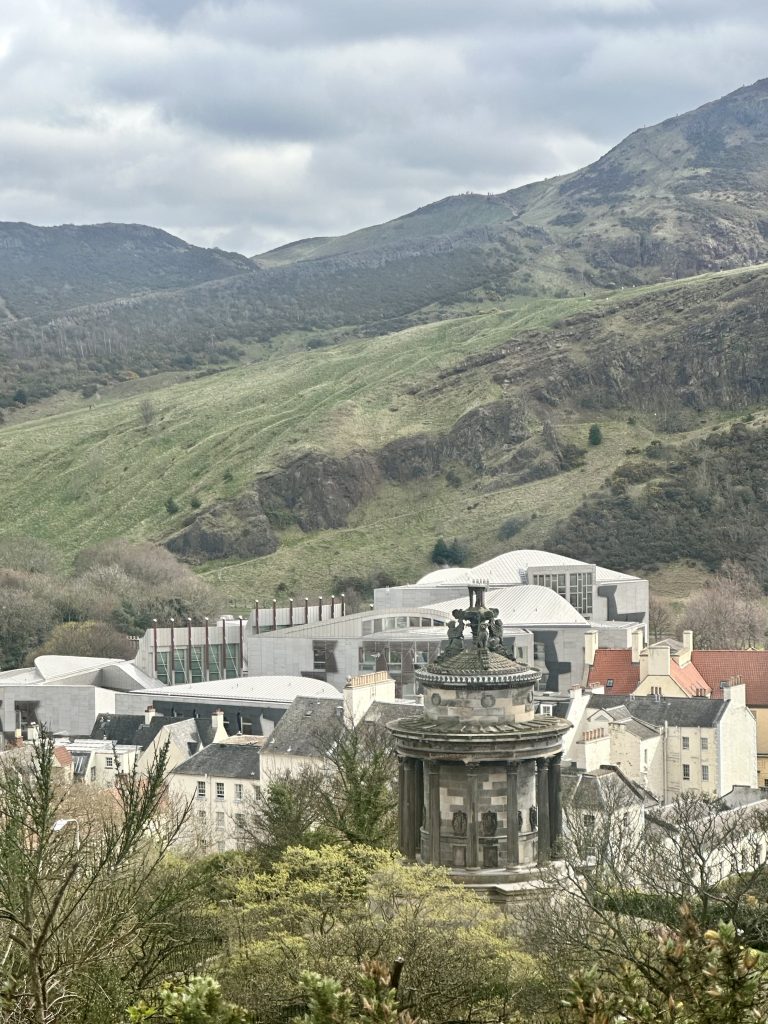
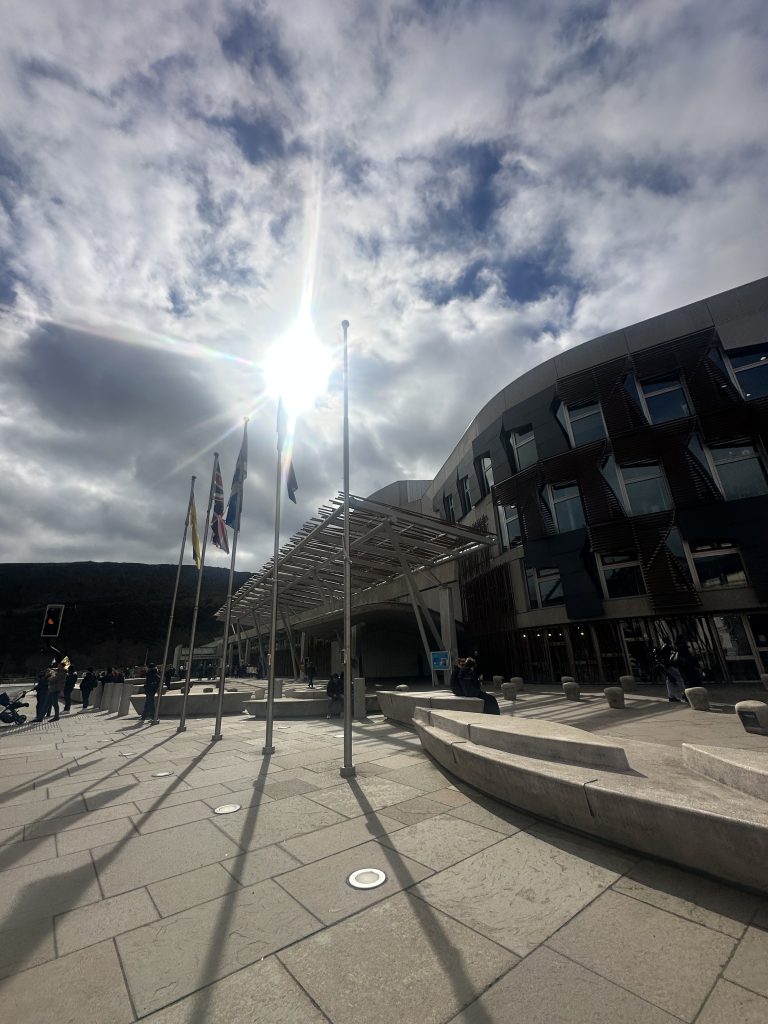
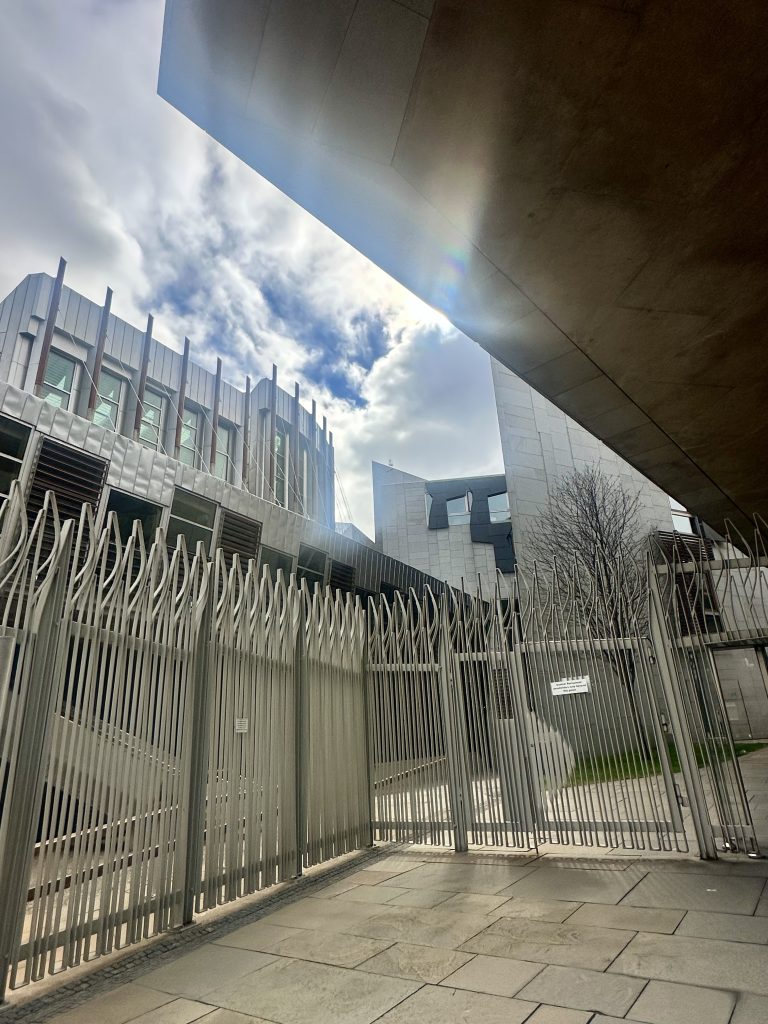
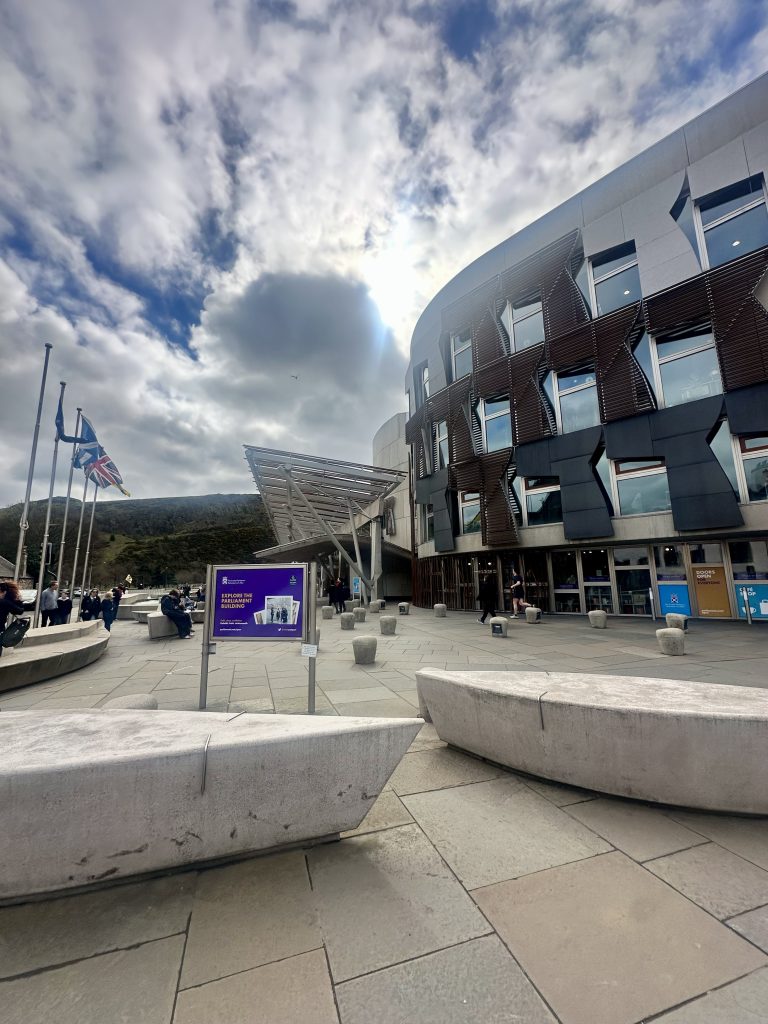
Following the successful devolution referendum of 1997, a new parliament was not merely proposed but realised. Designed by the Catalan architect Enric Miralles, the building is a striking departure from its predecessors. Organic, controversial, and undeniably modern, it opened in 2004 and was formally inaugurated by Queen Elizabeth II.
Its construction was costly—financially and politically—but its symbolism is clear. This is not a borrowed chamber, nor a repurposed school. It is a parliament built intentionally for a devolved Scotland, situated at Holyrood, beneath the shadow of Arthur’s Seat.
Here, the voice that once fell silent in 1707 speaks again—different in scope, yet undeniably present.
Parliament and Society in Scotland
The story of these four buildings is not merely architectural. It reflects a deeper Scottish tension between union and autonomy, tradition and reinvention.
Scotland’s society has long been shaped by strong institutions—law, education, church—each carrying a sense of intellectual and civic responsibility. Even in the absence of a national parliament, these structures maintained a distinctly Scottish identity.
When the parliament returned, it did not emerge from nothing. It rose from centuries of civic habit, legal independence, and cultural continuity.
A City That Waits, and Remembers
Edinburgh does not forget its parliaments. It keeps them—used, unused, repurposed, or renewed—each one a chapter in a longer conversation.
From the hushed chamber of Parliament Square, to the silent readiness of Calton Hill, to the practical governance of the council, and finally to the bold lines of Holyrood, the city tells a story not of loss, but of endurance.
A nation may pause. It may defer. It may even fall silent.
But in Edinburgh, it never quite stops listening for its own voice.
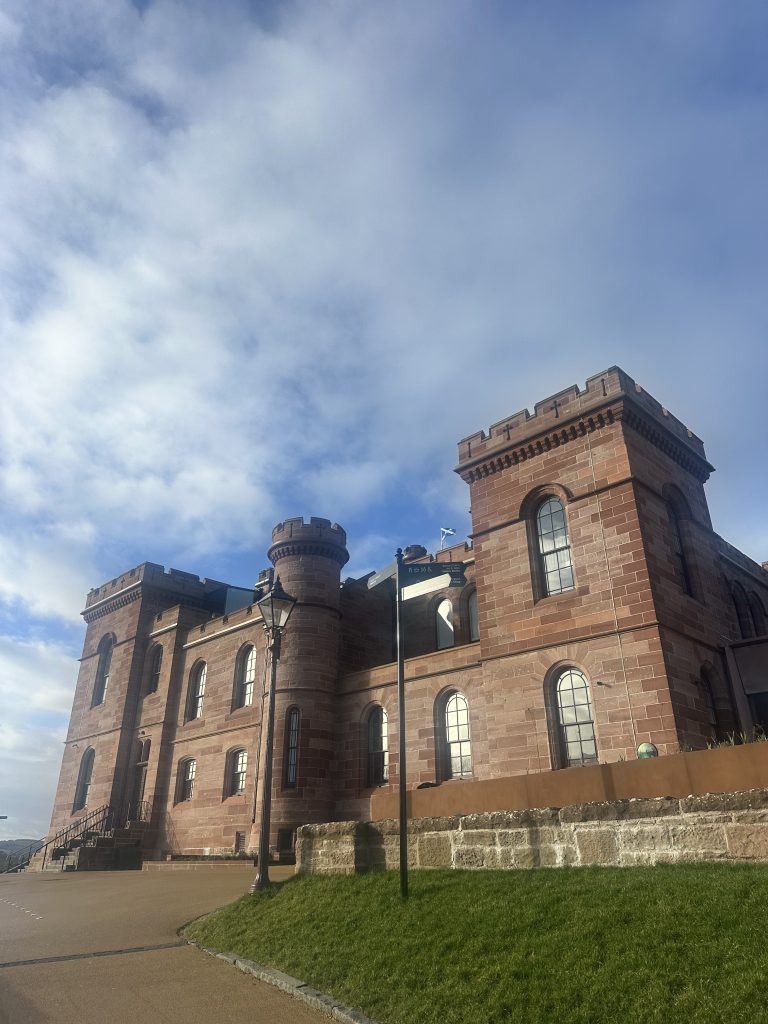
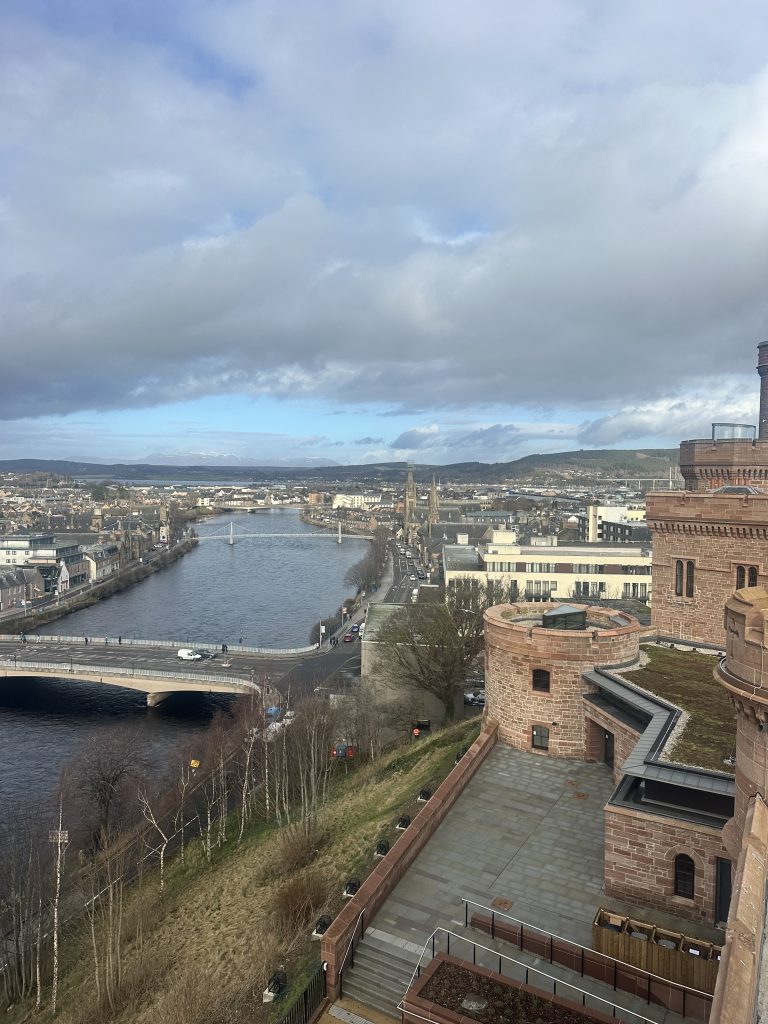
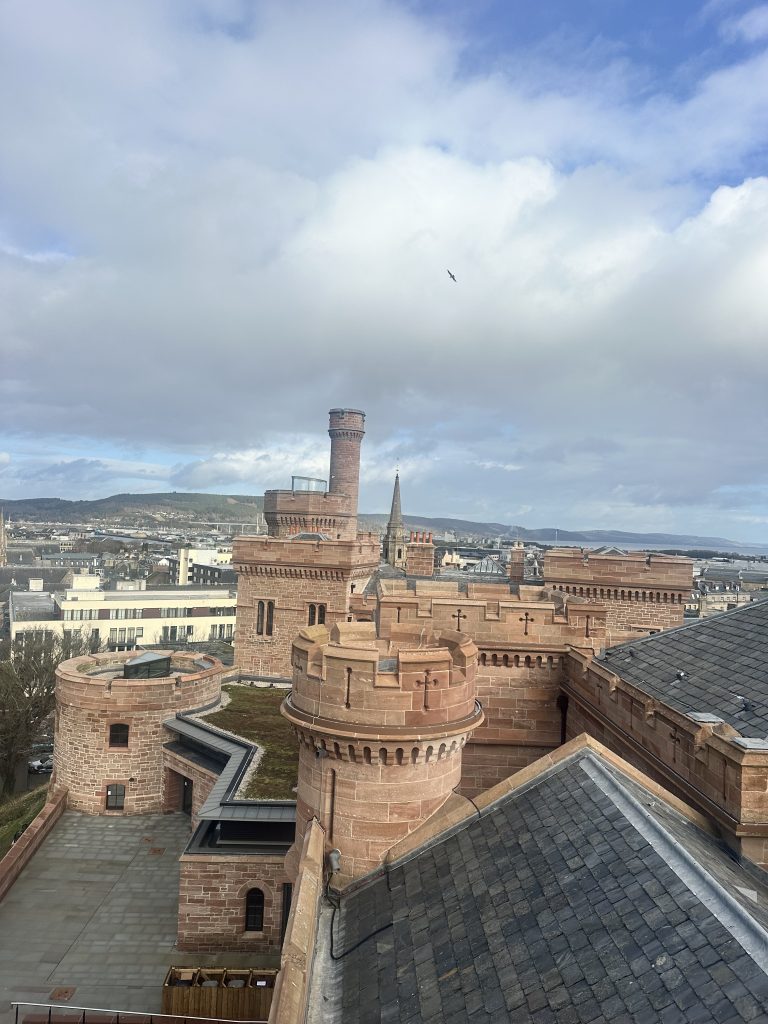
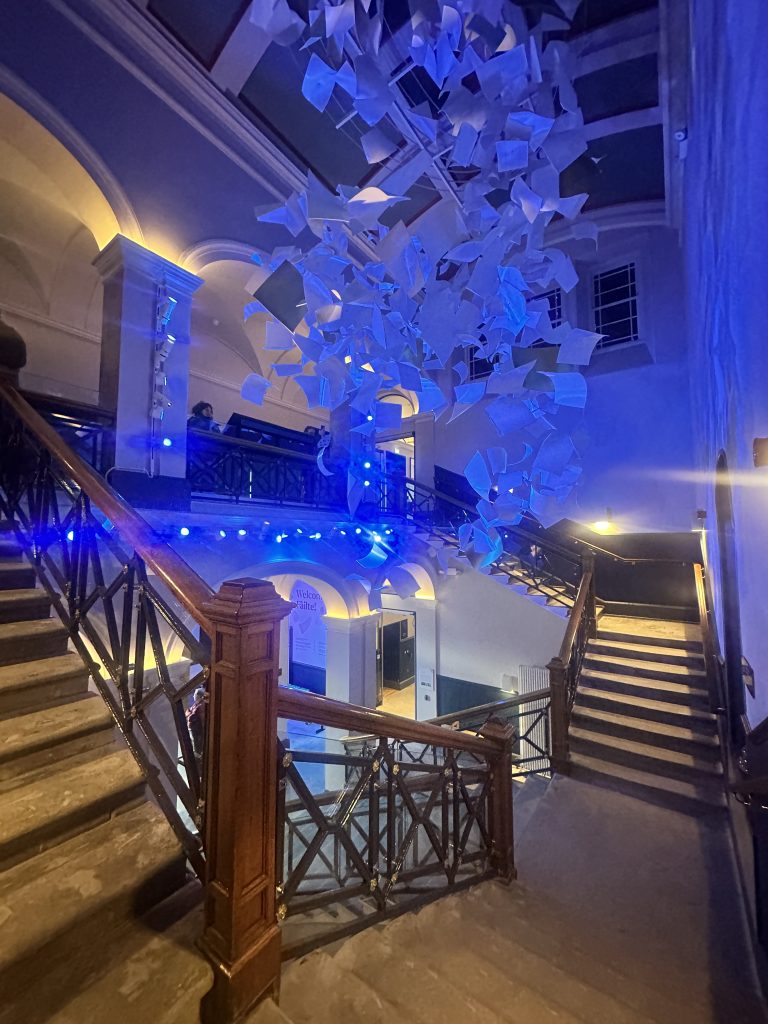
Inverness castle sits prominently overlooking the river Ness and the town below. The current red sandstone buildings date back to 1836 and were designed by William Burn. Thomas Brown II was the architect for the additional courthouse. The site itself has a long history as fortification and dates back to 1057 thought to have been built by Malcolm III and having been influenced by Robert I, James I, visited by Mary De Guise and her daughter Mary Queen of Scots. It has literary links to MacBeth.
The castle was closed for a £47 million renovation from 2021-2025.
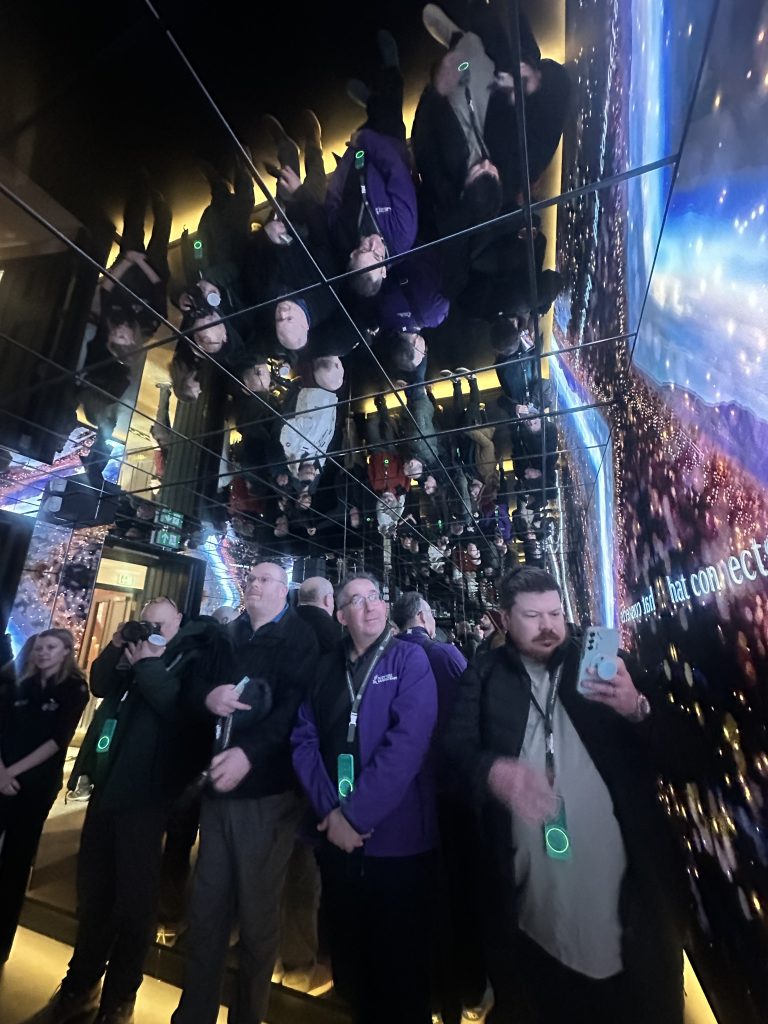
As part of the Scottish Independent Tour Operator’s AGM & Shindig (SITOA) members were invited to sample this new experience.
As this had been a long anticipated reopening we were all quite exited to visit. On approach the buildings looked magnificent:
Inverness Castle
We were welcomed by the manager beside the Flora Mc Donald statue and entered the castle via an impressive staircases, taking us to a tower which provided breath-taking views.
View from Inverness castle
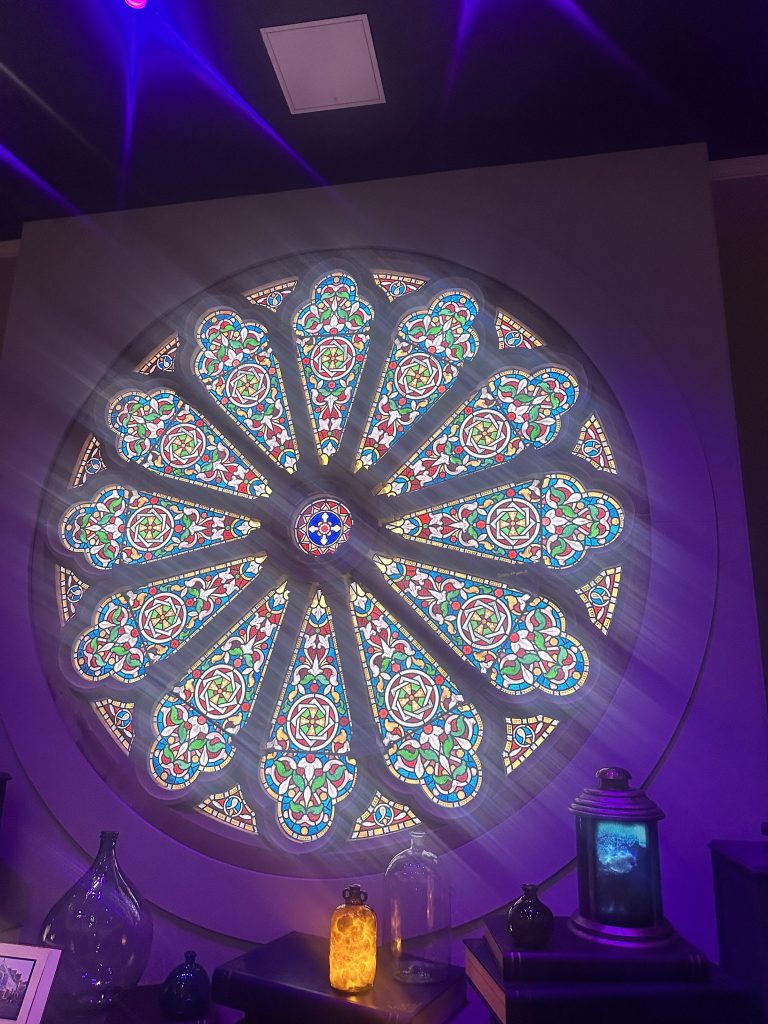
We were equipped with an audio guide, which was available in many languages. Next on tour was the Rose window room, displaying an old church window with a funky show.
Rose window
As the castle was designed and used as a court there are three court rooms. The second one displayed a show of iconic Scottish landscapes and number three was beautifully laid out as a whisky tasting room.
Roof top experience at Inverness castle
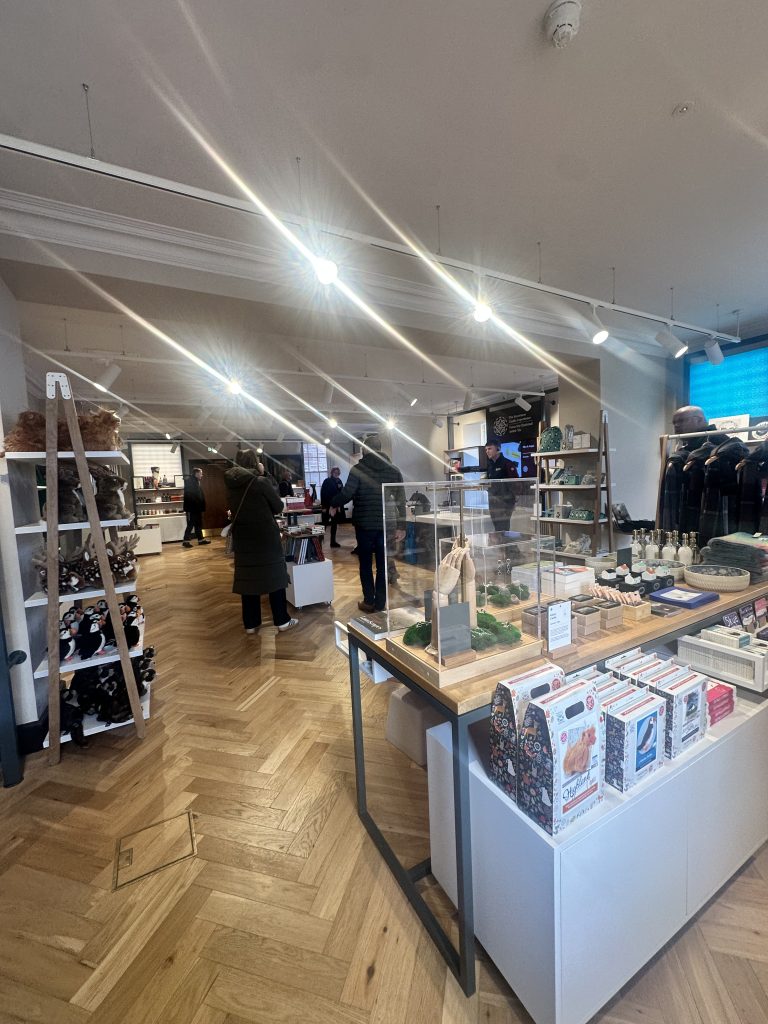
The experiences aims to tell the story of the people living in the Highlands and also facilitates a shop and a rather gorgeous cafe.
Stories of HighlandersShop
Have you visited Inverness castle? Let us know what you thought of it. Was this the experience you expected?
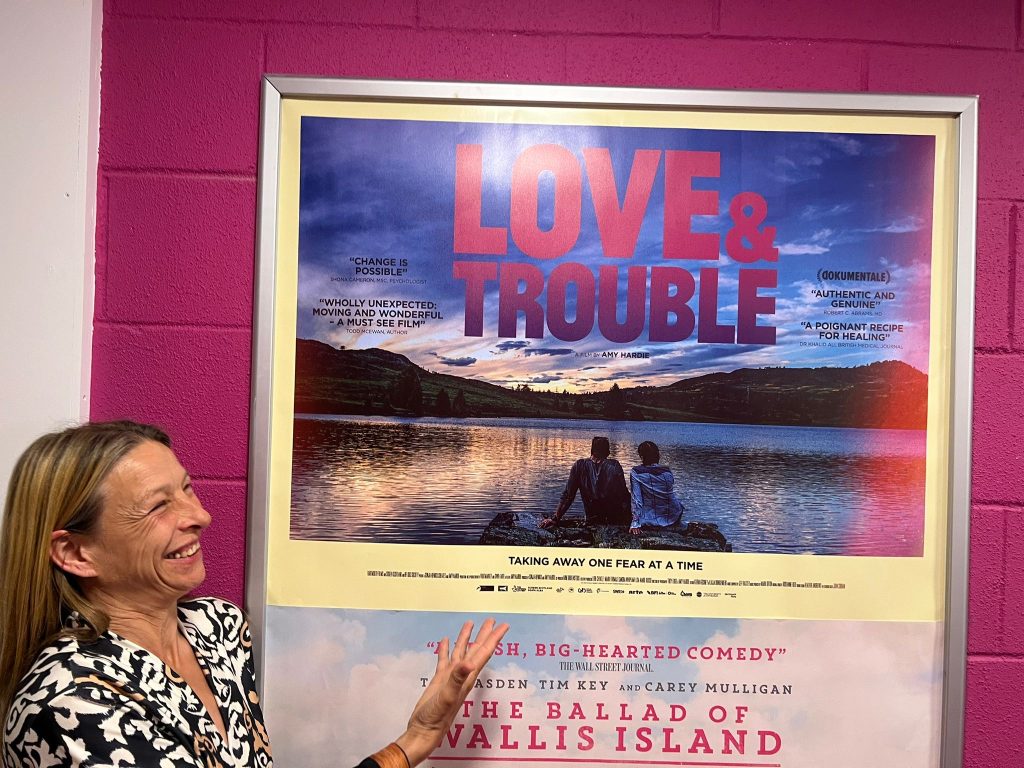
A good friend of mine, Amy Hardie, happens to be an amazing documentary film maker and is kind enough to join us at Morison DuncanVillage Hall in Gauldry on the 13th of February 2026 at 7 pm to screen and discuss her newest production: “Love & Trouble”
Love & Trouble is a feature documentary film directed and written by Amy Hardie. It was completed in 2024 and has a 90-minute runtime.
🧠 Synopsis & Themes
The film is an intimate, observational documentary that follows a young couple, Kenny and Kerry Watson, over roughly a decade as they navigate the deep effects of personal trauma on their family and marriage.
Marriage & Hidden Pasts: Kenny and Kerry marry with strong ideals but carry unresolved traumas that begin to seriously shake their relationship.
PTSD & Family Strain: After their baby is born, Kenny’s PTSD — stemming from his time as a sniper in Afghanistan — is triggered by his son’s crying, which he refers to as “the screams.” His mental health crisis threatens their marriage and everyday life.
Kerry’s Journey: In response, Kerry returns to education to study psychology so she can better understand and help both her husband and herself. This personal inquiry also leads her to confront her own childhood trauma.
Recovery & Resilience: The film depicts their path through challenges like therapy, psychiatric support, emotional breakthroughs and setbacks, and wellness activities (from horses and race-cars to ice swimming), evolving into a story of resilience, empathy, and transformation.
🎥 Style & Approach
The documentary is shot in a fly-on-the-wall observational style, giving an unfiltered view of the couple’s life without overt narration or sensationalism.
It places emphasis on honesty and emotional courage, offering viewers a deeply personal look at mental health, relationships, shame, anger, love and recovery.
📍 Screenings & Distribution
World Premiere: Dokumentale ’24 in Berlin (October 2024).
The film was acquired for worldwide sales by Journeyman Pictures ahead of the International Documentary Film Festival Amsterdam (IDFA) 2024.
UK Cinema Release: It played in cinemas from 19 June 2025 onwards.
🎼 Music and Production
Music by Jeff Baxter, with original songs by Scottish singer Roseanne Reid.
Produced by Sonja Henrici Creates, Amy Hardie Productions, and Fruitmarket GmbH with support from Screen Scotland, BFI Doc Society Fund, and collaborators from SWR/ARTE.
🧠 Critical Reception
Reviewers praise the film’s raw and compassionate handling of PTSD and trauma and its insightful look at the emotional dynamics within a marriage under strain. The storytelling has been described as both intimate and rigorous, and the Watsons as relatable, deeply human subjects.
⚠️ Content Advisory
According to classification notes, the film includes strong language, references to child sexual abuse, suicide and self-harm, and scenes discussing traumatic experiences. Viewers sensitive to these subjects should be aware.
Amy Hardie also produced a very personal and insightful documentary: The Edge of Dreaming” (I still have a DVD and happily lend it to you)
🎥
The Edge of Dreaming
— Overview
Director: Amy Hardie
Year: 2009 (festival/official release), wide broadcast/streaming around 2010–2011
Genre: Documentary, Personal Exploration, Dreams & Consciousness
Runtime: ~73 minutes
This documentary follows Amy Hardie herself — a rational, science-oriented filmmaker — as she experiences a series of vivid dreams that seem eerily connected to real life and personal loss. After dreaming about her horse dying (which then happens) and later dreaming of her own mortality, she embarks on a deeply introspective journey. The film mixes personal narrative, scientific inquiry into dreams, reflections on fear and mortality, and a search for meaning at the edge between waking life and the dream world.
🗣️
Critical Reviews & Responses
⭐
Positive & Thoughtful Reviews
1. New York Times (via Rotten Tomatoes)
Critic Stephen Holden praised the film as not the confession of a believer but of an intelligent woman with an open mind and heart exploring a metaphysical personal quest — giving it around 4/5 stars.
2. Spirituality & Practice
Frederic and Mary Ann Brussat called it “bold, creative, engrossing, and spiritual.” They highlighted its powerful depiction of confronting fear, mortality, and the mystery of dreams — and its emotional and spiritual richness rather than a dry psychological case study.
3. Dennis Schwartz (Film Critic)
Schwartz described it as a “wonderful little film” that doesn’t overreach but uses clarity and intimacy to explore dreams, reality, and human curiosity. He appreciated its warmth, integration of scientific interviews (e.g., with neuroscientists), and heartfelt storytelling. Grade: B+.
4. Eye for Film (Amber Wilkinson)
Described the documentary as having a structure that mimics a dream — poetic, reflective, and emotionally resonant, balancing personal narrative and broader metaphysical questions.
🧠
Mixed / Critiques
5. Hammer to Nail Review
One reviewer noted that the film can feel “too self-focused,” spending a lot of time on Hardie’s personal anxieties rather than broader dream theory — though still finding value in its introspection and emotional honesty.
Some viewers find it deeply engaging and reflective, worth watching for its personal honesty and visual storytelling.
Others find it less compelling, sometimes feeling the focus is too narrow or self-referential.
🧩
Themes & Style Highlighted by Reviewers
Across critical responses, several recurring points emerge:
Personal & Intimate — The film is essentially a self-documented journey rooted in the filmmaker’s life, emotions and family.
Mix of Science and Spirit — It blends scientific perspectives (interviews with experts) with contemplative, metaphysical reflection on dreams and meaning.
Poetic Structure — Several reviews note its dreamlike structure and aesthetic, mirroring the subject itself.
Exploration of Mortality — A thoughtful look at fear, acceptance, and how dreams can catalyse confrontation with mortality.
📌 Summary
The Edge of Dreaming is widely praised for its intimate, honest storytelling and thoughtful metaphysical reflection, though some viewers feel it leans toward personal introspection more than broader scientific exploration. Critics highlight its emotional depth, creative structure, and capacity to make viewers reflect on dreams, fear, and life’s mysteries — making it a memorable and evocative documentary.
Since the 1930ties sightings have been reported of a strange createor living in the depth of Loch Ness. Is she real? Who knows but thousands of tourists meaner along Loch Ness’ shore and explore on sightseeing boats if they can find any traces of this rare creator.
Since tourism is my business I frequently visit Loch Ness for exactly this reason. Have I ever encountered Nessie? No, I have not! Though admidly it is jolly good fun searching for her.
If you want to join me for an expedition get in touch here:
So is Nessie a circus elephant enjoying a wild swim in the clear and cold waters of Loch Ness?
There were two men in particular who devoted their lives to the research of this strange creator:
Frank Searle – The Controversial Nessie Researcher (1960s–1980s)
If you meant the researcher with the dramatic ending, that is Frank Searle.
Who he was:
Frank Searle was a former soldier who arrived at Loch Ness in the late 1960s. He set up a basic lakeside camp and spent more than a decade and a half photographing and reporting alleged sightings of the monster. His pictures often appeared in newspapers, helping keep global interest in Nessie alive.
What went wrong:
By the late 1970s, Searle’s relationship with other researchers and the local community had deteriorated. Other investigators accused him of:
staging or manipulating photographs
making up stories to attract attention
threatening behaviour toward rival researchers
Eventually, several of his most famous photos were exposed as fabrications or composites.
How his story ended:
Under mounting criticism, Searle abruptly left Loch Ness in the early 1980s.
He moved to England, kept a very low profile, and largely disappeared from public view.
Frank Searle died in 2005.
His legacy is complicated: he helped popularise Nessie worldwide, but he also damaged the credibility of Loch Ness research for years.
Steve Feltham – The Man Who Has Watched Loch Ness Since 1991
Who he is:
Steve Feltham is the most famous modern “Nessie hunter.” He gave up his home, job, and conventional life in 1991 to move permanently to the shores of Loch Ness and dedicate himself to solving the mystery. He set up a small base at Dores Beach, where he still lives in a converted mobile van.
His approach:
Feltham’s work is calm, methodical, and non-sensational. He spends long hours watching the water, speaking with eyewitnesses, and documenting sightings. Over the years he has been featured in documentaries, news stories, and books. He has never claimed to have definitive proof but believes there may be a large, as-yet-unidentified animal in the loch.
How his story continues:
Steve Feltham is still alive, still living at Loch Ness, and still watching. He has become part of the modern folklore of the loch—friendly, dedicated, and a respected local figure.
The modern history of the Loch Ness Monster
The modern legend of the Loch Ness Monster begins in 1933, when a new road was built along the north shore of Loch Ness, giving travellers clear views of the water. That same year, a local couple reported seeing a large creature crossing the road and sliding into the loch. Their account was published in The Inverness Courier, and it captured the public imagination. This report is widely considered the first major “modern sighting” of Nessie.
Loch nNess with an explorer boat
Soon after, the loch became the focus of growing curiosity. In 1934, the famous “Surgeon’s Photograph” appeared to show a long-necked creature rising from the water. For decades it was treated as evidence of a large animal living in the depths. Although it was revealed as a hoax in the 1990s, the photograph helped cement Nessie’s image and made the monster instantly recognisable worldwide.
Loch Ness
Throughout the 20th century, expeditions attempted to find evidence of an unknown creature. The Loch Ness Investigation Bureau conducted sonar and surface watches in the 1960s. Later, in the 1970s and 1980s, more sophisticated sonar surveys revealed large, moving underwater targets—none conclusively proven to be a creature, but enough to keep speculation alive. Even in recent years, DNA surveys of the loch have found no unknown species; however, theories persist, from giant eels to misidentified waves.
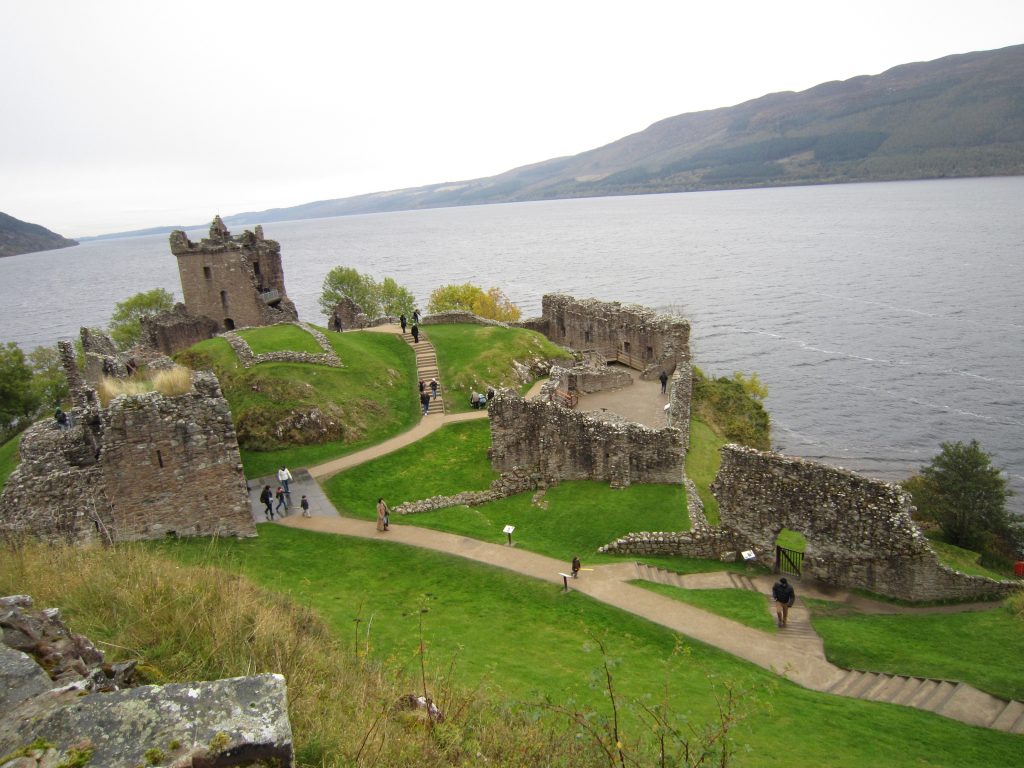
Urquhart Castle at the shore of Loch Ness
Marketing the Monster
While the evidence has remained inconclusive, Nessie has become one of Scotland’s most successful and enduring marketing legends.
From the 1930s onward, newspapers quickly realised that Loch Ness Monster stories sold exceptionally well. Headlines about sightings, photos, and expeditions boosted circulation. As tourism grew, local businesses recognised that Nessie drew visitors not just to the loch but to the Highlands as a whole.
By the mid-20th century, Nessie appeared on postcards, tea towels, travel posters, toys, and guidebooks. Bus companies, tour operators, and cruise boats used the monster as a playful emblem of mystery and adventure. The Loch Ness Centre & Exhibition in Drumnadrochit helped frame the story in a more scientific and historical context, balancing scepticism and curiosity.
In modern marketing, Nessie has become a global symbol of Scotland—friendly, mysterious, and full of charm. She appears in films, adverts, social media campaigns, and tourism branding. Even sceptics agree that Nessie remains one of the most effective tourism ambassadors ever created.
Why the Legend Endures
Despite decades of investigation, no definitive proof of the Loch Ness Monster has been found. What keeps the story alive is a combination of:
Genuine eyewitness accounts, often by credible observers
The unique environment of Loch Ness: deep, dark, and visually deceptive
Media fascination, especially in the early 20th century
Tourism marketing, which embraced the mystery rather than trying to solve it
Today, the Loch Ness Monster sits at the intersection of folklore, science, and tourism—a myth that has grown into a multimillion-pound brand, yet still retains its sense of wonder.
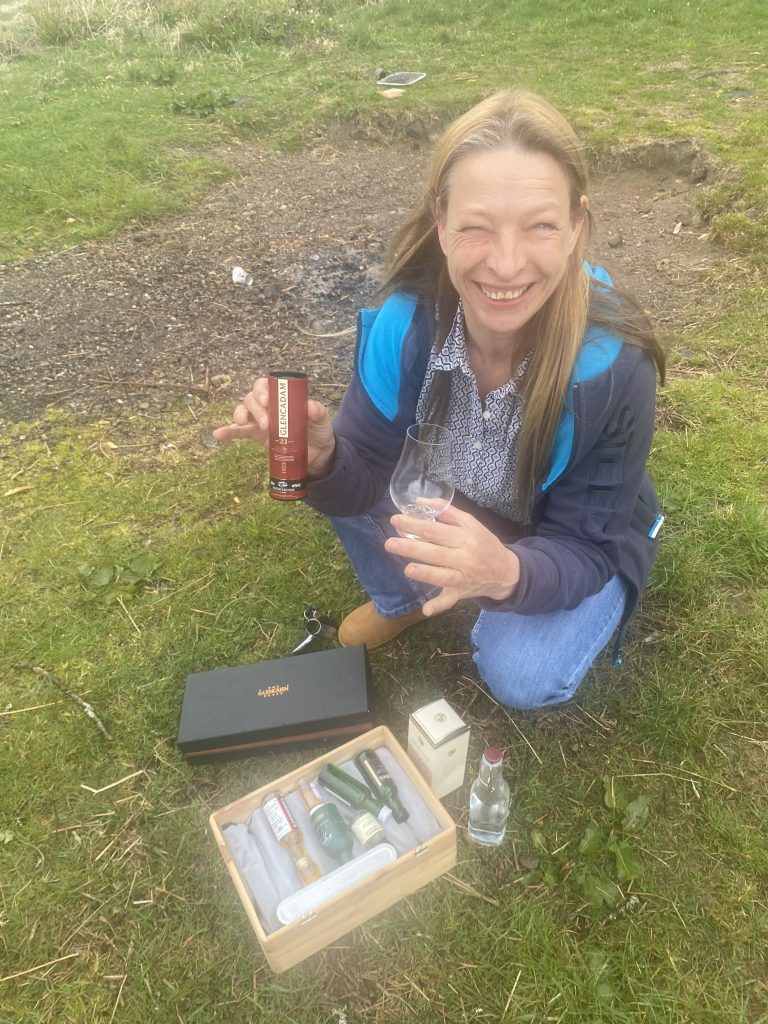
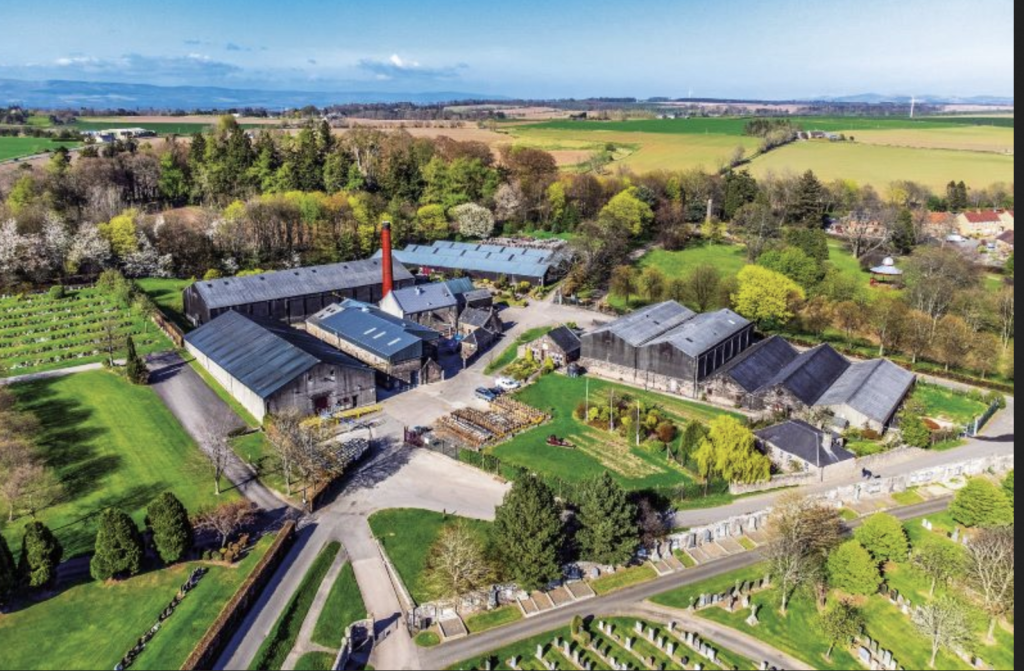
I have a particular soft spot for Glencadam 21 and had the opportunity to visit the distillery back in the days. Since Glencadam Whisky Distillery is fairly local to Starfish Travel I have been watching the news to see when the new visitor centre will be completed and opened. It is this Saturday 15th of November! Here is the article in the Herald!
The project was granted planning permission back in 2022 and has taken a traditional approach of adding a pagoda roof to the centre which fits neatly with the rest of the beautiful distillery buildings.
The new facility coincides with Glebcadam’s 200th jubilee and benefits the local community with the creation of twelve new jobs, but will first and foremost exite all whisky enthusiasts.
Here is what you can expect:
Visitor Experience & Practical Info
Tours: As of the new centre’s launch, they are offering a standard 90-minute tour (at £22.50) which includes the production site, historic warehouse, and a guided tasting of three Glencadam single malts.
A premium experience (120 minutes for £75) gives behind-the-scenes access, including the blending centre and premium / high-age whiskies.
Café & bar: The café (Thur–Mon, 10 am–5 pm) is pet friendly and family friendly. The bar offers whiskies, gins, rums, and pairings of light bites.
Accessibility & logistics: The distillery provides parking (including EV charging), wheelchair-accessible spaces, and allows dogs in the visitor centre (though restricted in production areas).
Location: Smithfield Road, Brechin, Angus (postcode DD9 7PA). Good road access via A90; nearest train station is Montrose (plus taxi).
If you wish to integrate this new experience into a tailor-made whisky tour contact us here:
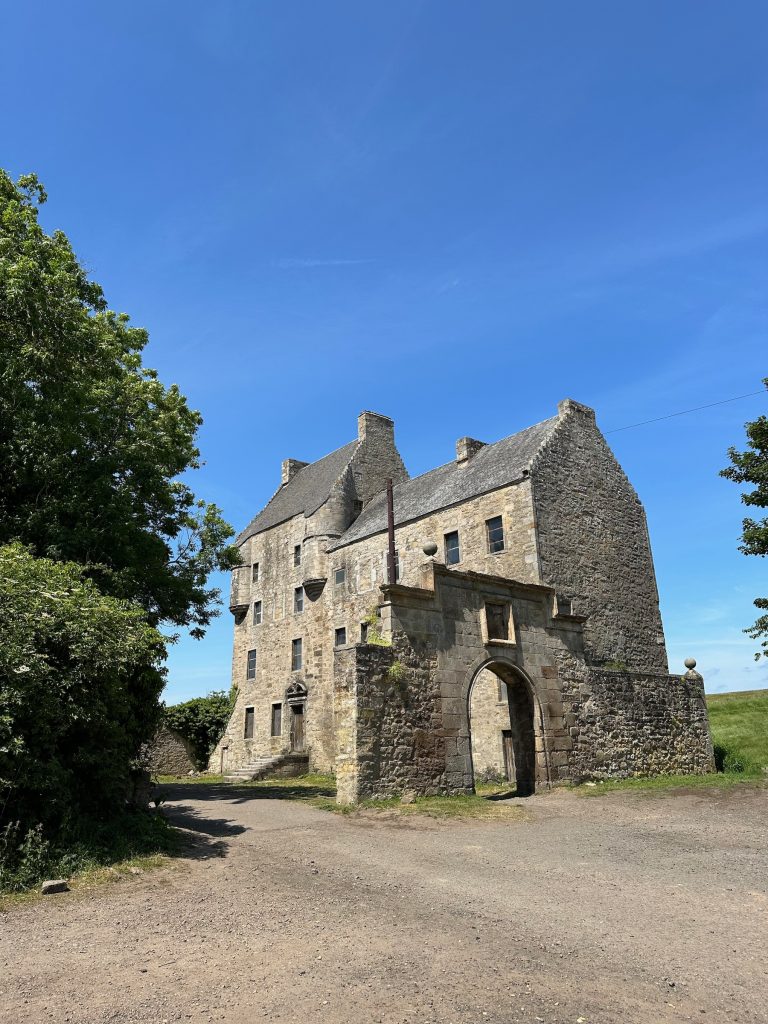
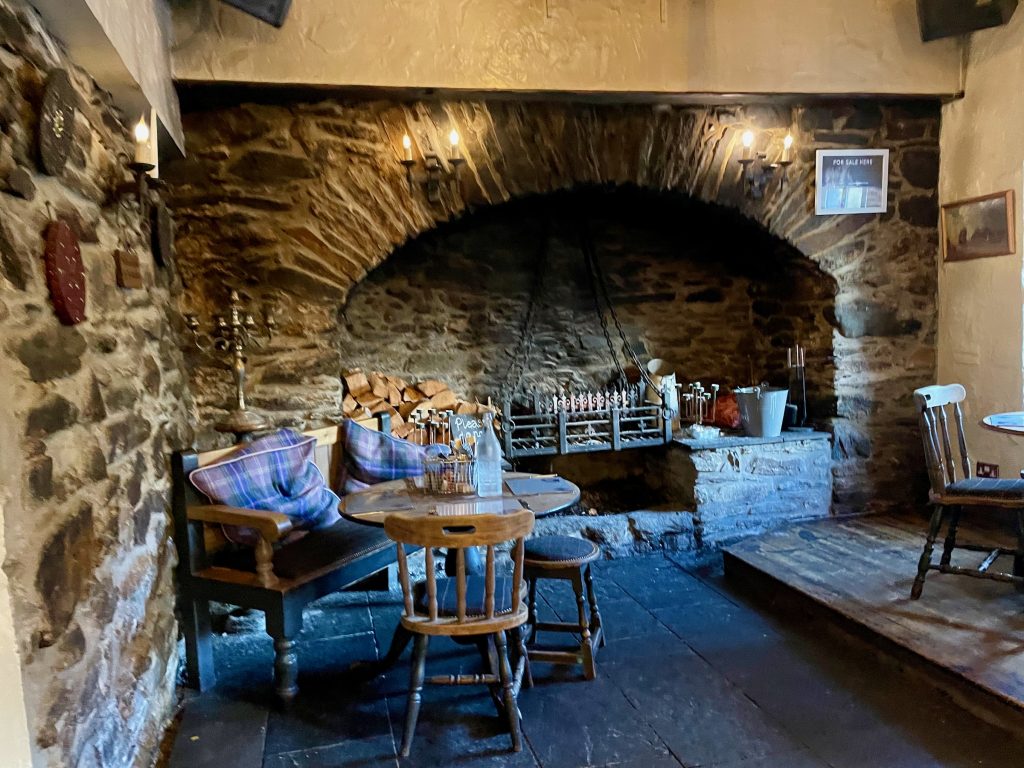
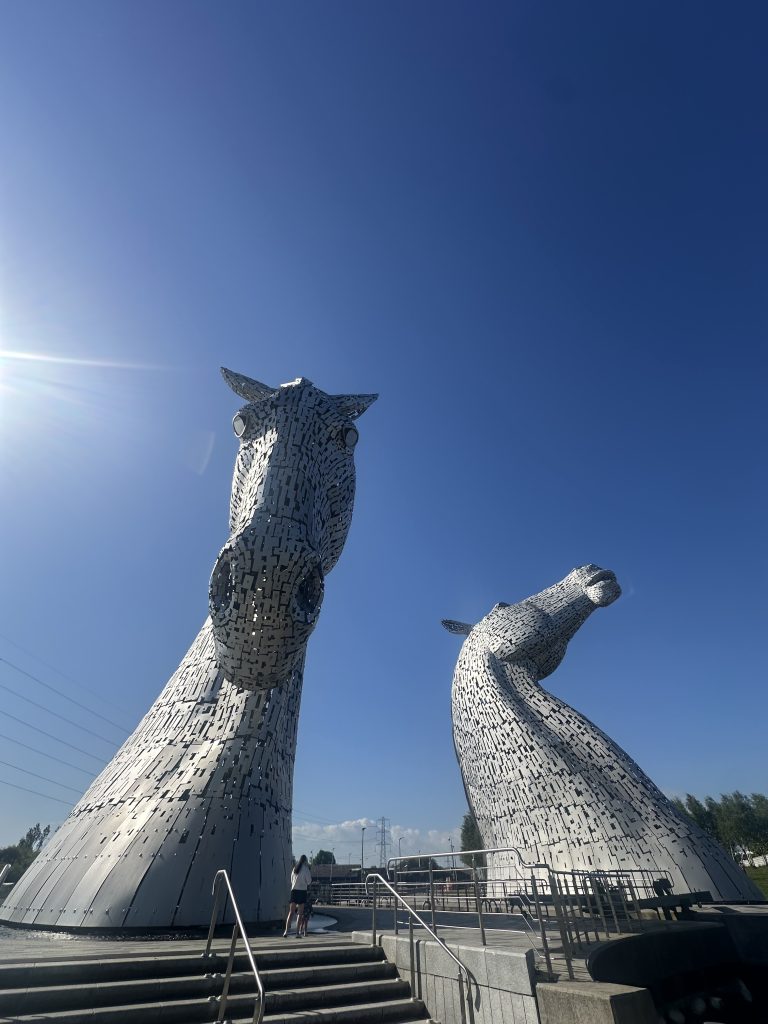
Dass ich ursprünglich aus Deutschland stamme, habe ich auf dieser Webseite an der einen oder anderen Stelle bereits erwähnt. Seit Brexit habe ich allerdings so wenige Kunden aus Deutschland, dass diese Webseite nie zweisprachig war. Das heisst natürlich nicht, dass ich keine deutsch-sprachigen Ausflüge anbiete, ganz im Gegenteil kürzlich hatte ich das Glück mit sechs Deutschen zwei Tage lang durch Schottland zu touren. Wir besuchten Schloss Midhope besser bekannt als Lallibroch aus Outlander, die Kelpies, wanderten ein Stück entlang des West Highland Ways, aßen zu Mittag im wunderschönen Luss am Loch Lomond und hatten ein lokales Bier in der urigen Kneipe and den Falls of Dochart.
Schloss MidhopeDie KelpiesFalls of Dochart
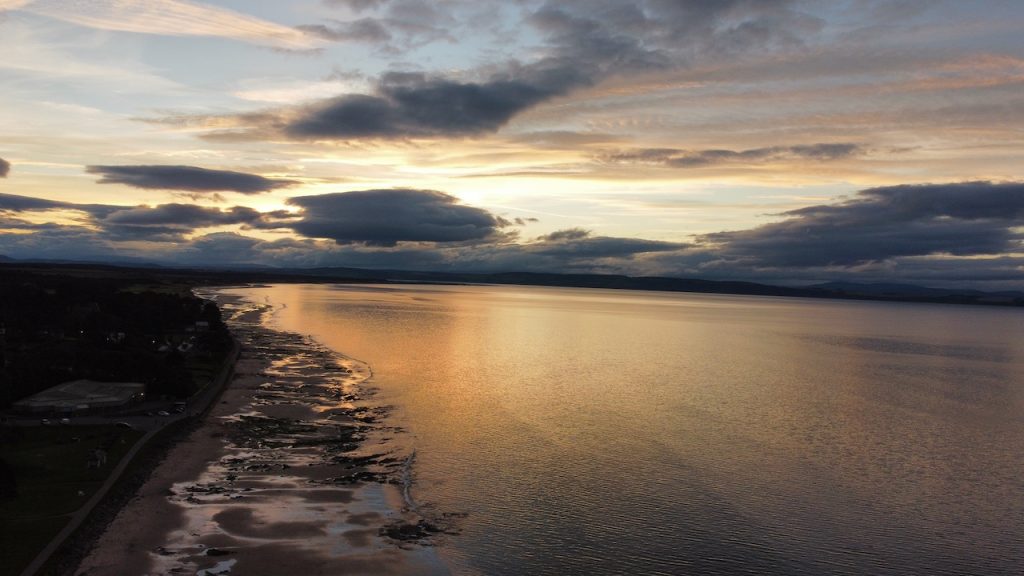
Am zweiten Tag unternahmen wir einen Ausflug in die Heimat des Golfs in St Andrews and machten uns dann auf unseren Weg zurück nach Edinburgh entlang des sogenannten East Neuk- “die östliche Ecke”. In St Andrews hatte wir grosses Glück mit dem Wetter und wurden mit erstaunlichen Farben am langen Strand: Westsands belohnt. Dort wurde unter anderem der Film Chariot of Fire gedreht.
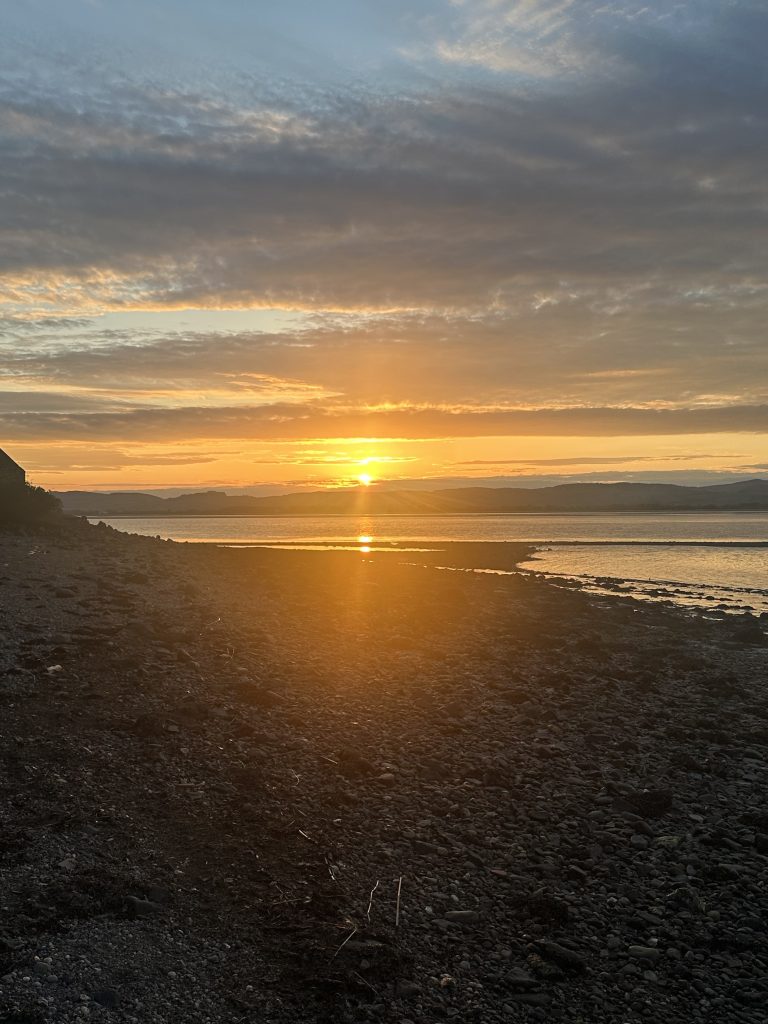
Westsands St AndrewsWestsands Strand, St AndrewsWasserfall in KillinSonnenuntergang
Wenn Sie ihren Ausflug gerne in Deutsch unternehmen möchten, kontaktieren Sie mich bitte hier:
Have you been dreaming of leaving it all behind? Going to a place where no one can reach you via phone or the internet? In Scotland there are plenty of places where this is still reality. Whether you wish to stay in a tent, Mountain Bothy, a remote B&B or cottage. Be my guest to embrace a social media/phone/email-free zone; just to reset and being in your own body with your own thoughts-> finding stillness
In Scotland you even have a variety of choices to escape the hussle of modern life. Perhaps you like to explore one of the remoter Scottish Island, such as Canna, Rum or Barra. From the latter you can start an entire journey island hopping all the way to Lewis.
You do not even need to leave the mainland to leave it all behind. Venture into Sutherland, which is part of the North Coast 500, nowadays a very popular tourist desitination. However, all you need to do is venture a little off the beaten track inland and you will meet no other soul. Scotland still has places you cannot reach by car, such a Sandwood Bay or Corrour estate.
In our hectic world of work it is so reassuring to know that you can get away to places no one can reach you and be totally safe, emercing yourselkves into safe and beautiful landscapes….
The East Neuk often features in the itineraries of my guests, especially if they disembark one of the cruise ships at Newhaven, South Queensferry or even Dundee. There is a lot to do as there are many attractions like Kellie Castle or events like the Pittenweem Arts Festival. They are well worth visiting.
Another prominent feature of the East Neuk and Fife as a wider region is the Fife Coastal Path. You can integrate section even into a day tour utilizing a vehicle.
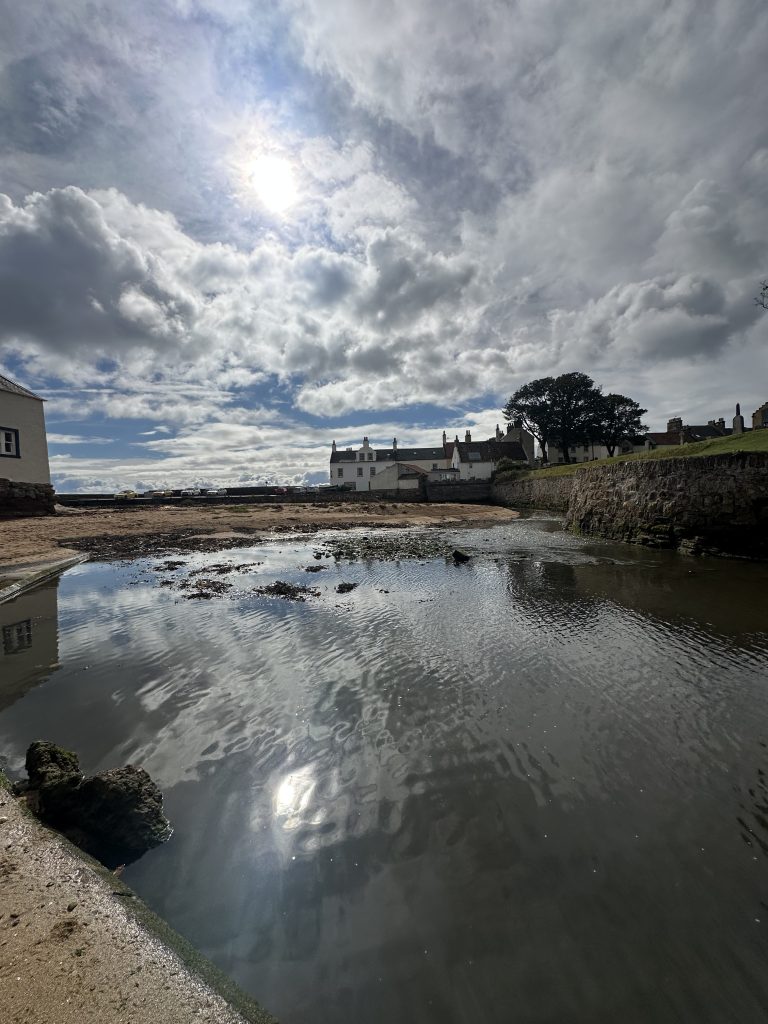
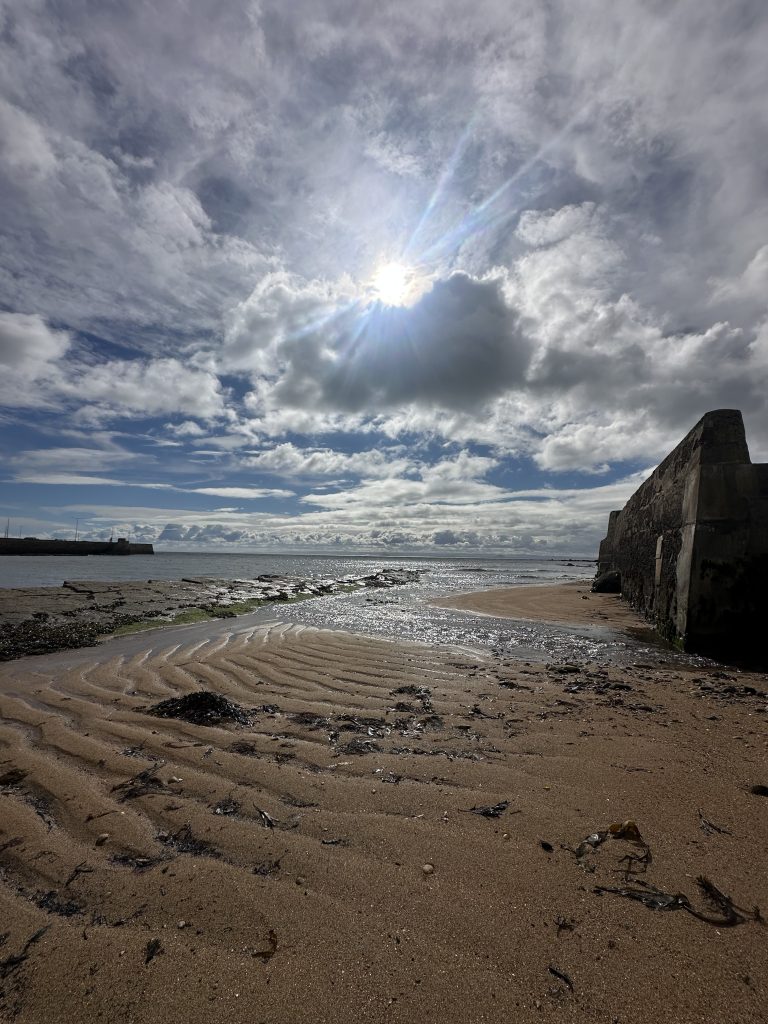
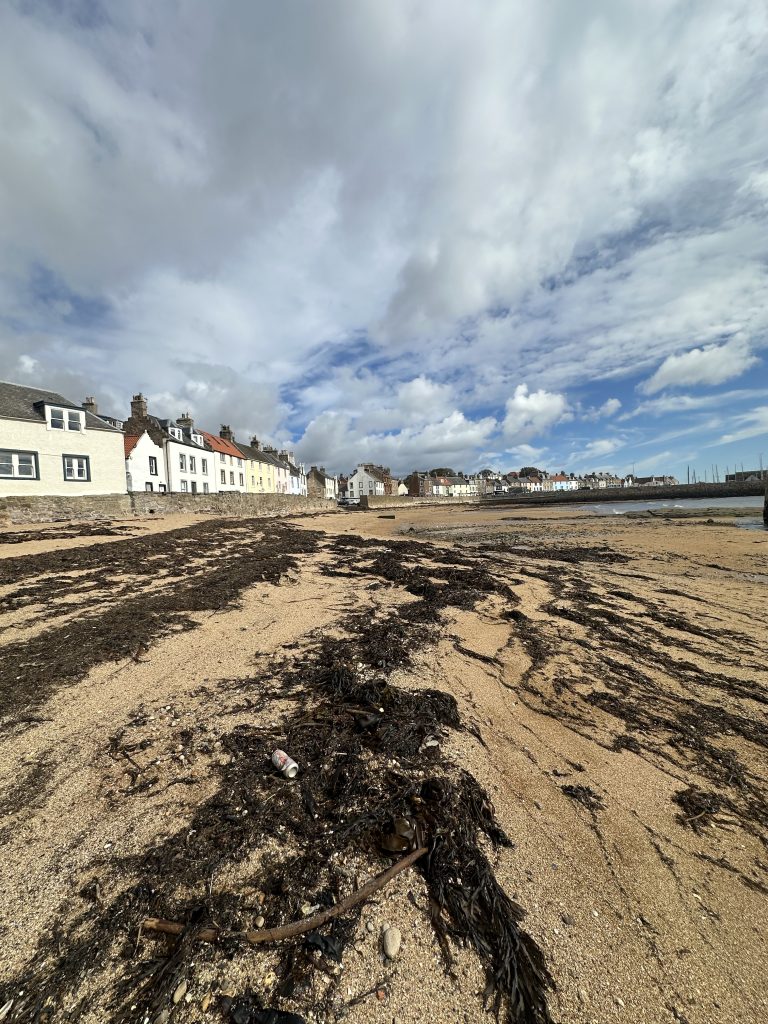
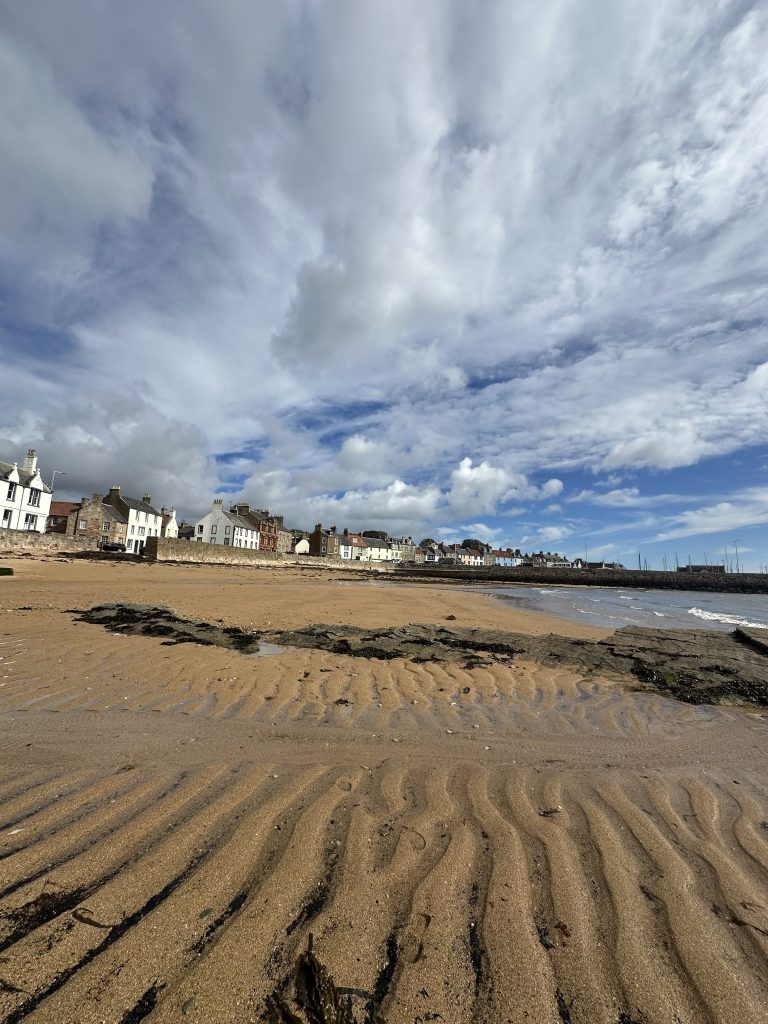
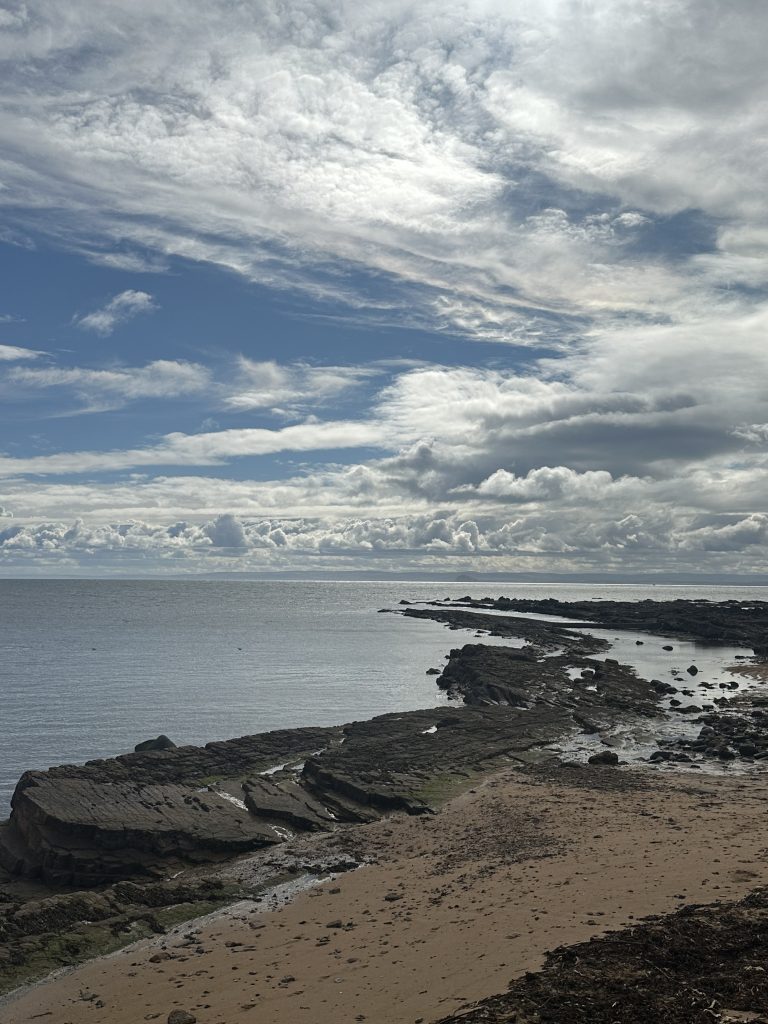
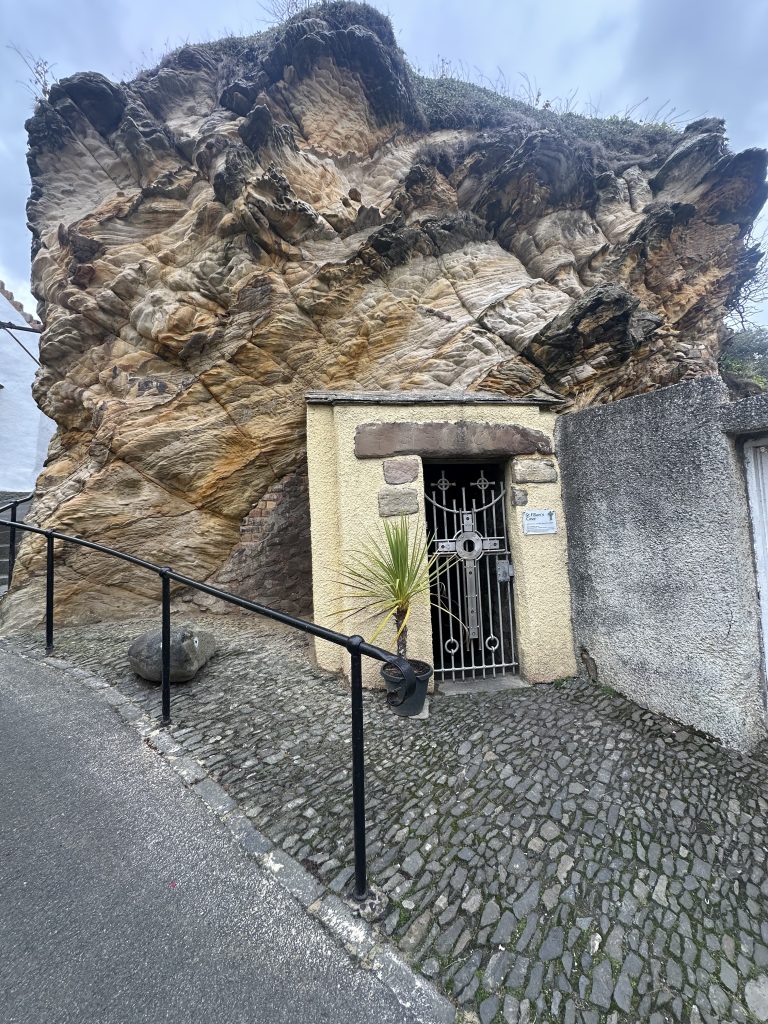
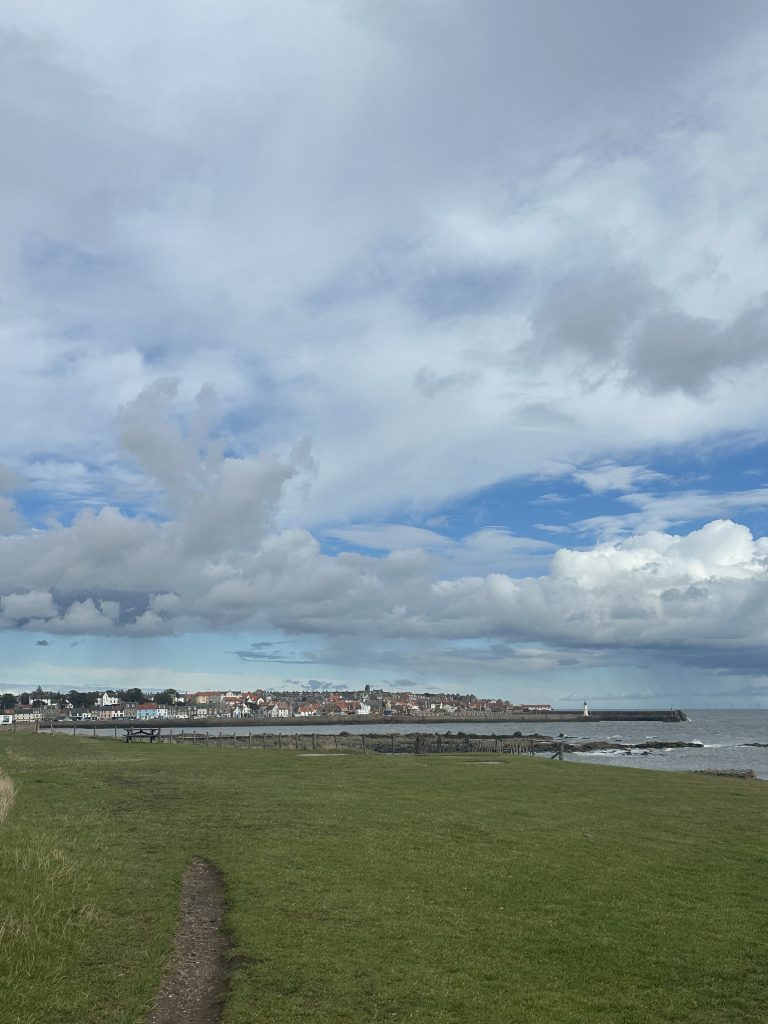
Today, after performing a luggage transfer (which you can book HERE) I took my dog, Roy, to walk from Anstruther to Pittenweem and back (30 mins) each way. If I offer this as part of a tour I would pick you up at your destination. You will not get lost on the way I promise.
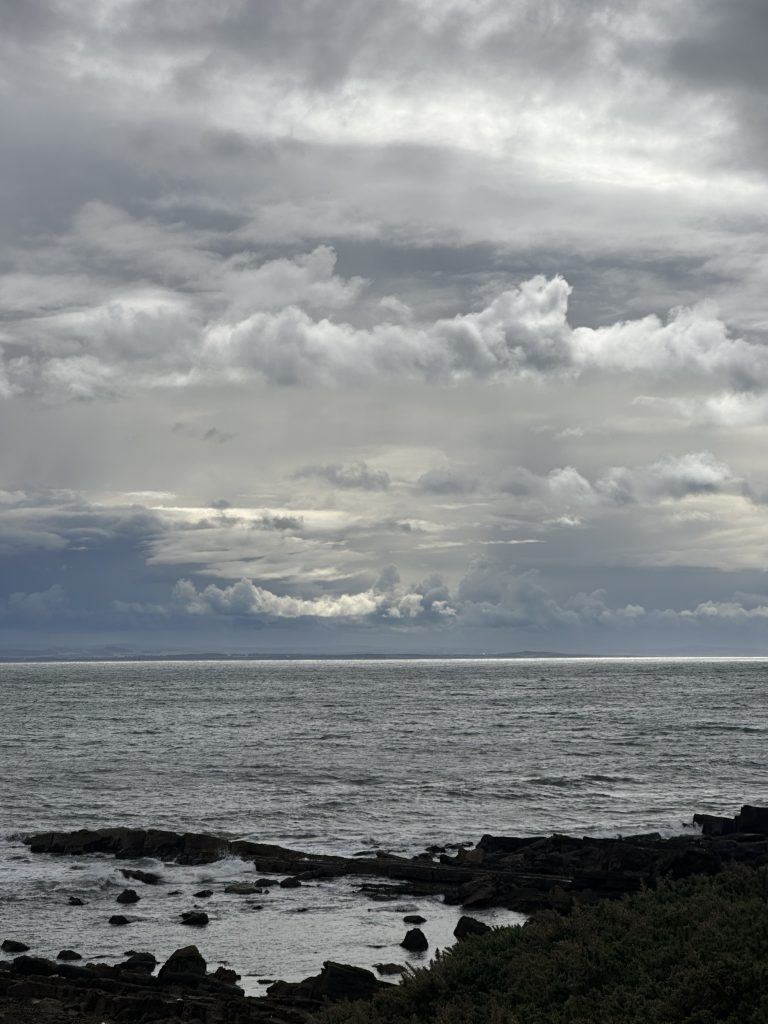
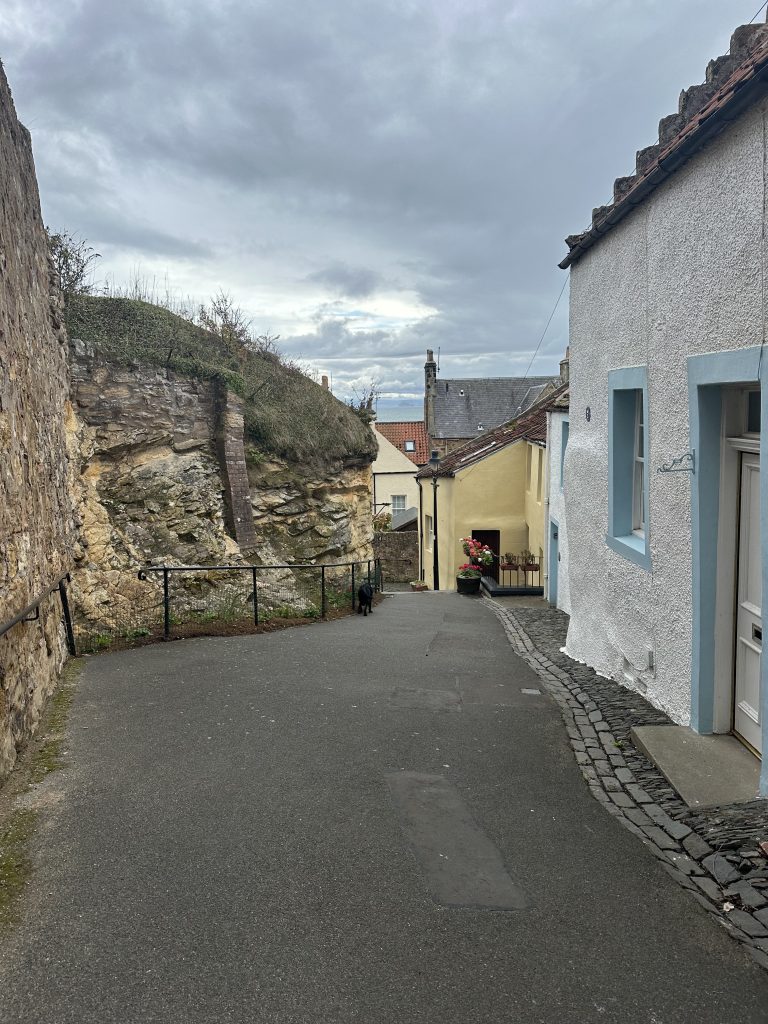
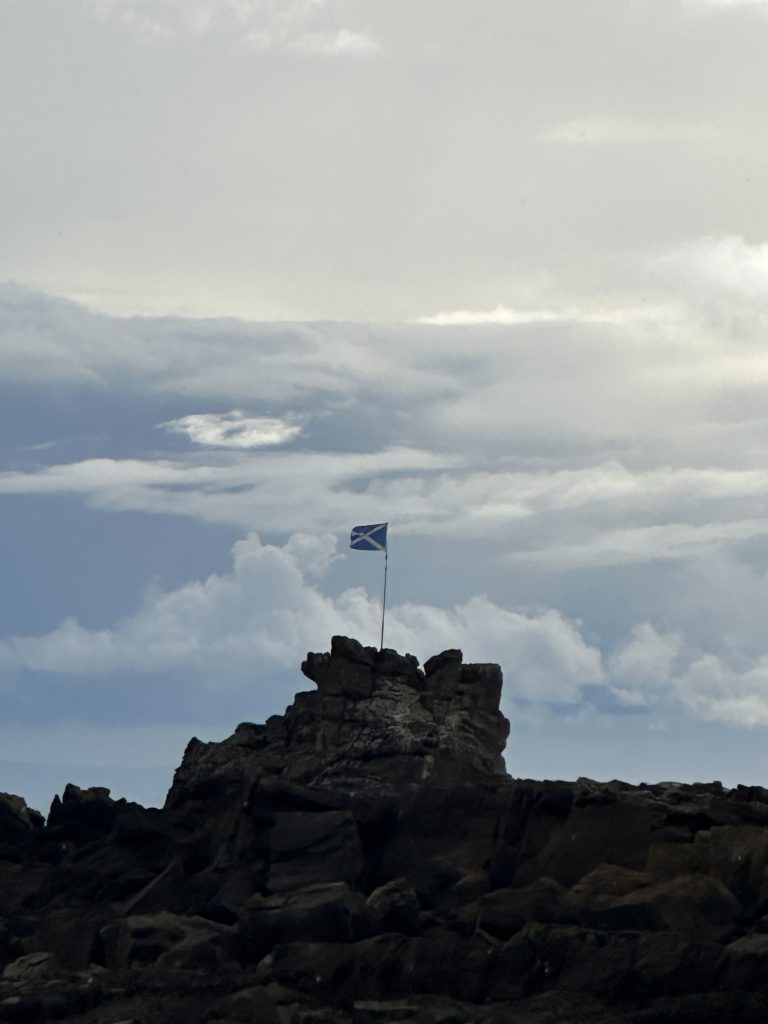
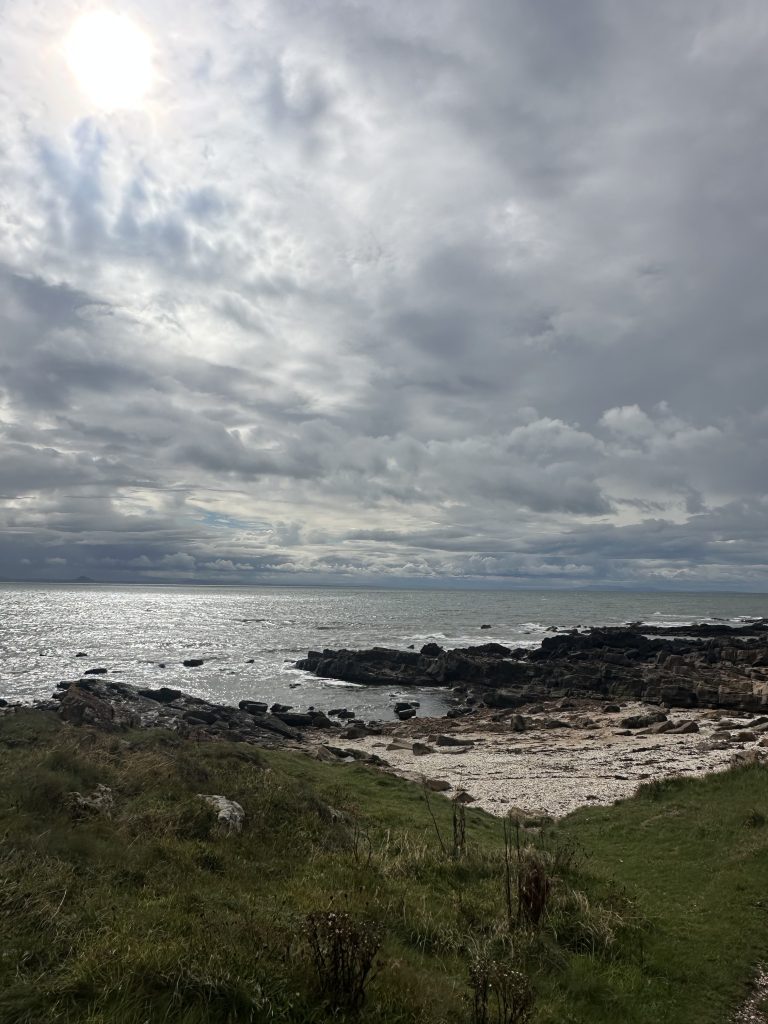
Here are some of today‘s impressions to generate your appetite to take a wee wander along Fife‘s coastline.
This year this is only the second post I am creating for the business I love so very much…
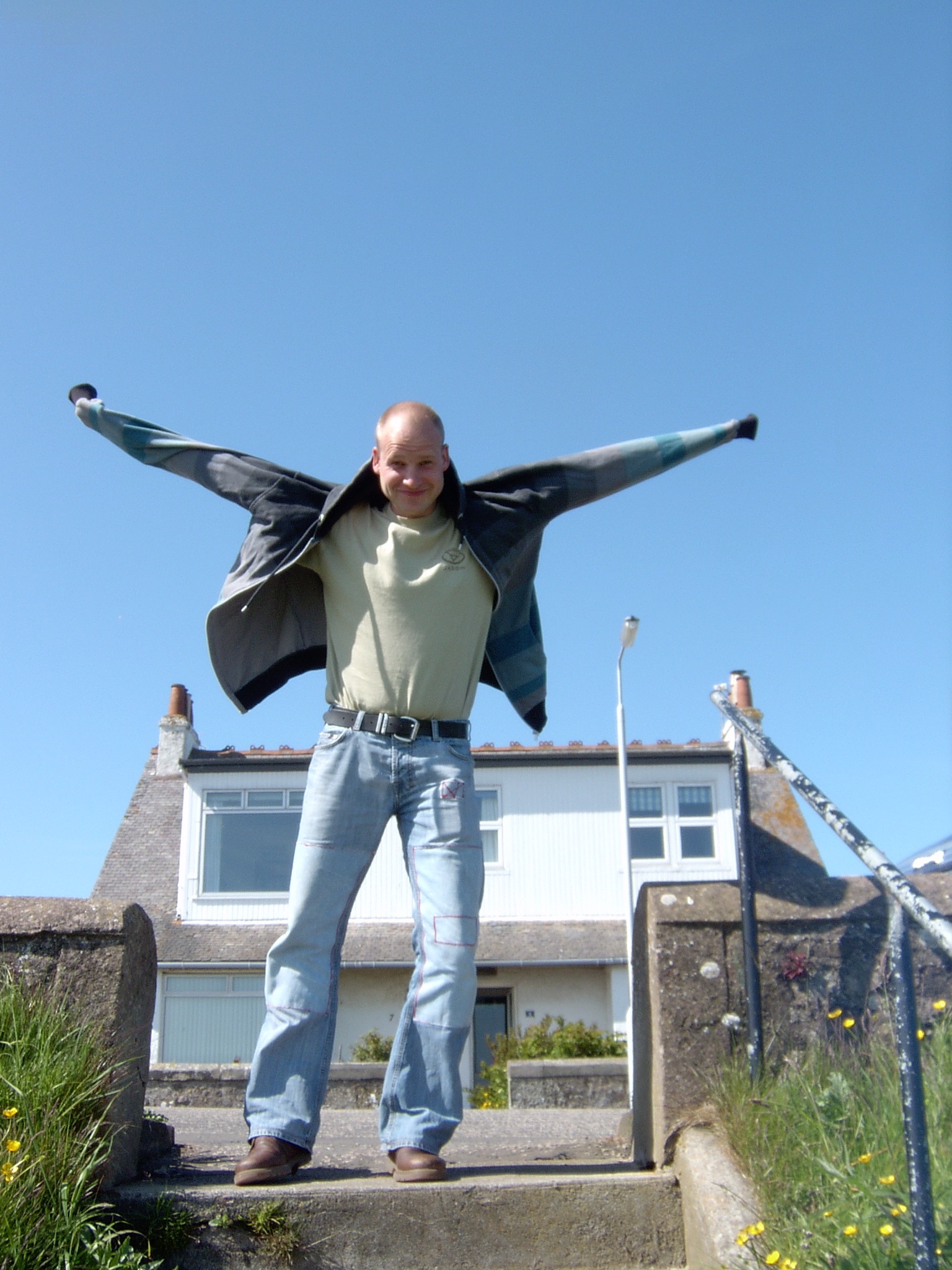
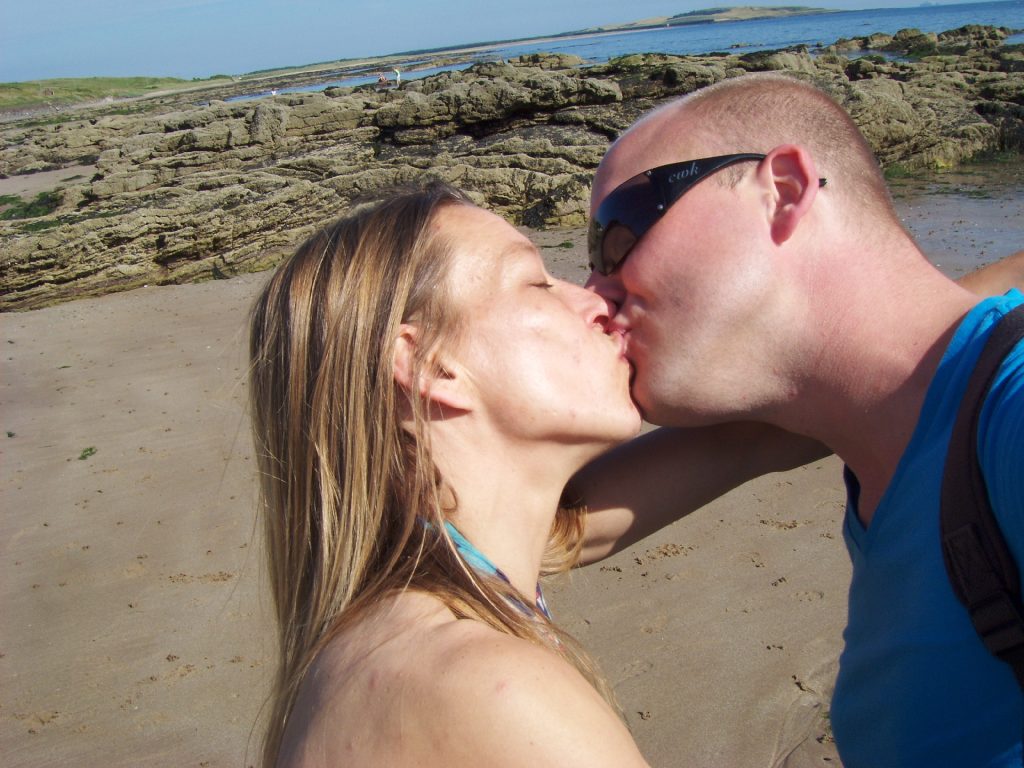
In January I lost Tim Snoeks, the love of my life and partner of eighteen years very suddenly to a heart failure. Tim was only 44. I had planned to grow old with him but this was not to be.
Tim Snoeks 06/03/1980 – 20/01/2025
Life will never be the same again. I miss Tim tremendously as everyone else, who has met him along the way, does as well.
Since then I am trying to keep Tim’s business Starfish Taxis running with the amazing help of his drivers. My own passion still lies with Starfish Travel‘s Tours and YogawithKirstin.
Loosing your soul mate makes your universe crash and nothing makes any sense anymore.
Everything I touch, everywhere I look Tim is omnipresent but he is no longer here to touch, to hug, to speak to, to cuddle, to be comforted by…..
This on its own is incredible diffcult to navigate.
Then the formalities of an unsuspected death and the bureaucratic aftemath of that hit you -> fife months since Tim’s demise I am still fighting thise battles on daily basis.
I still love what I do and Tim would have wanted me to carry-on and find some happiness (if that is at all possible) again.
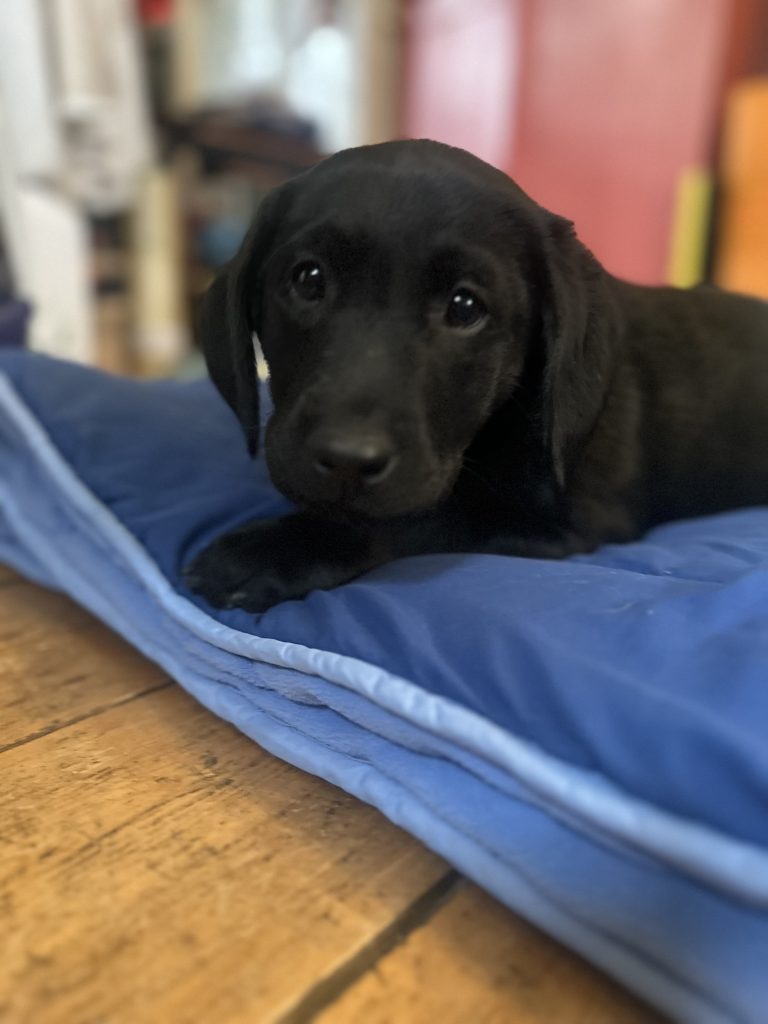
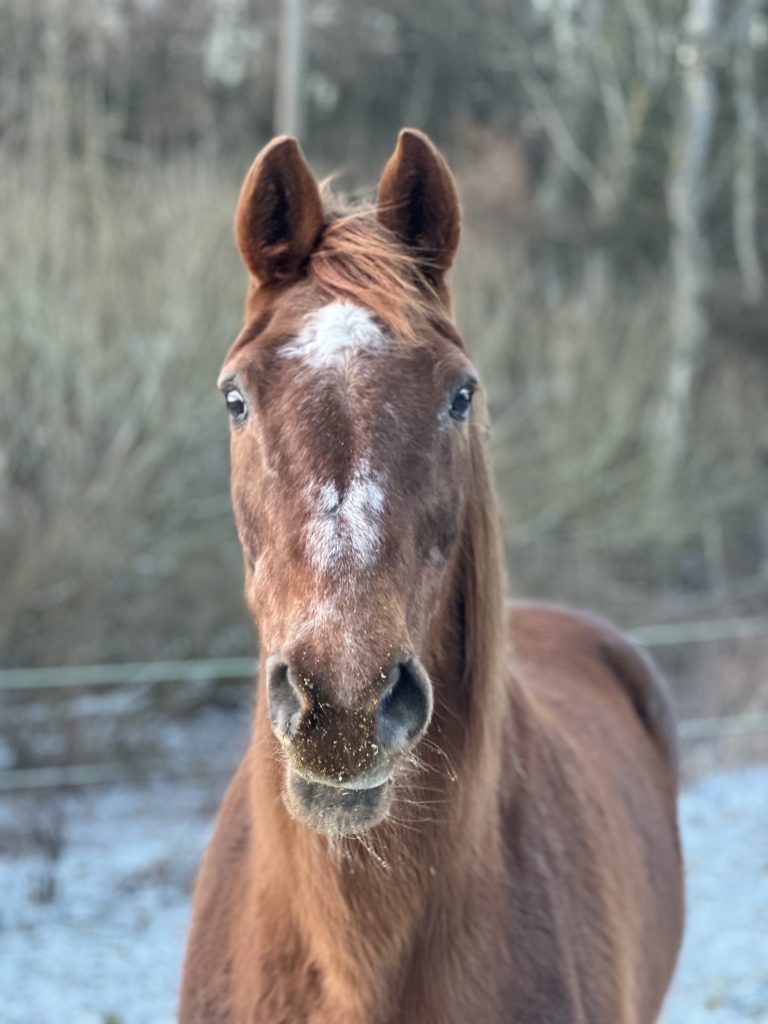
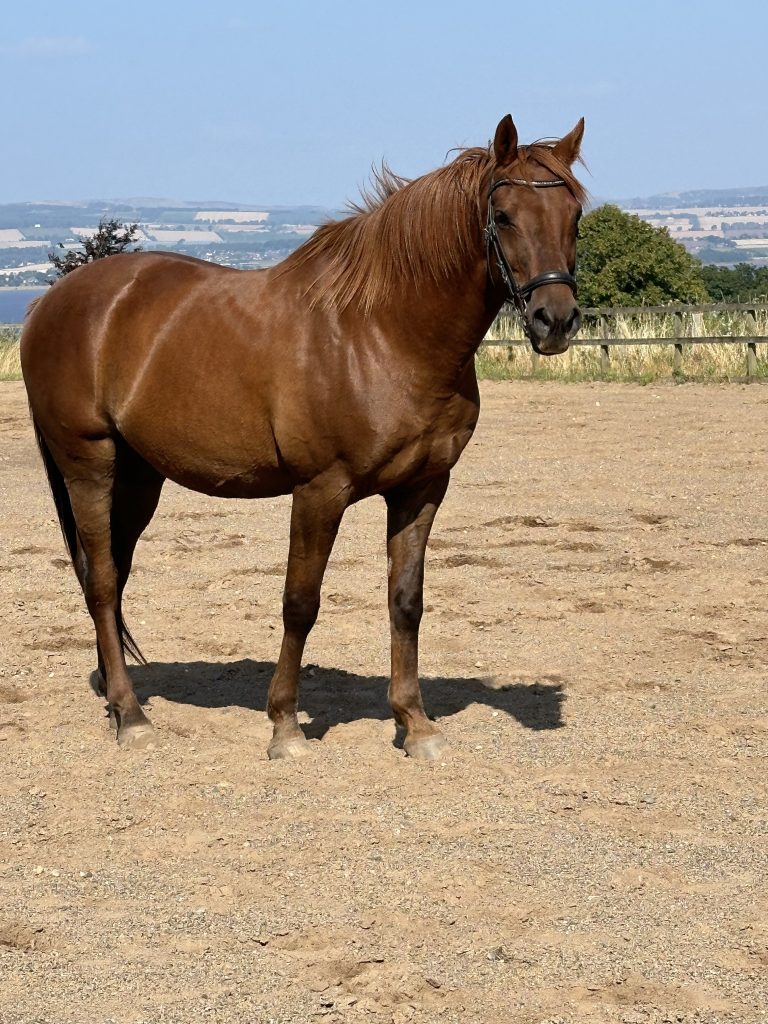
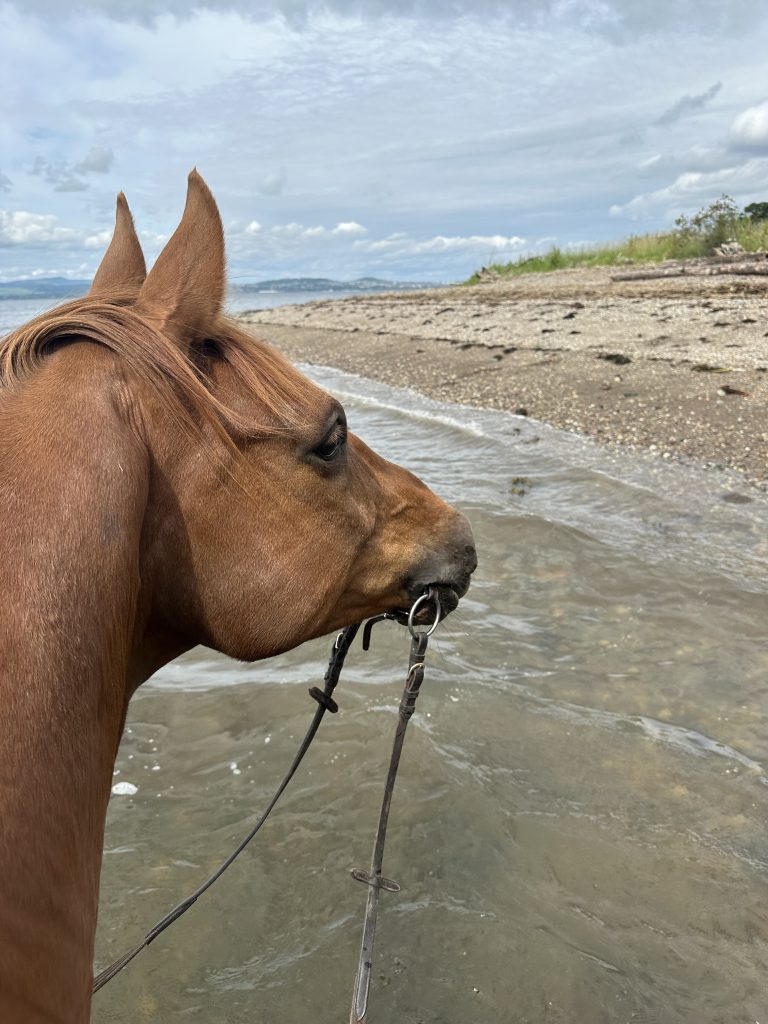
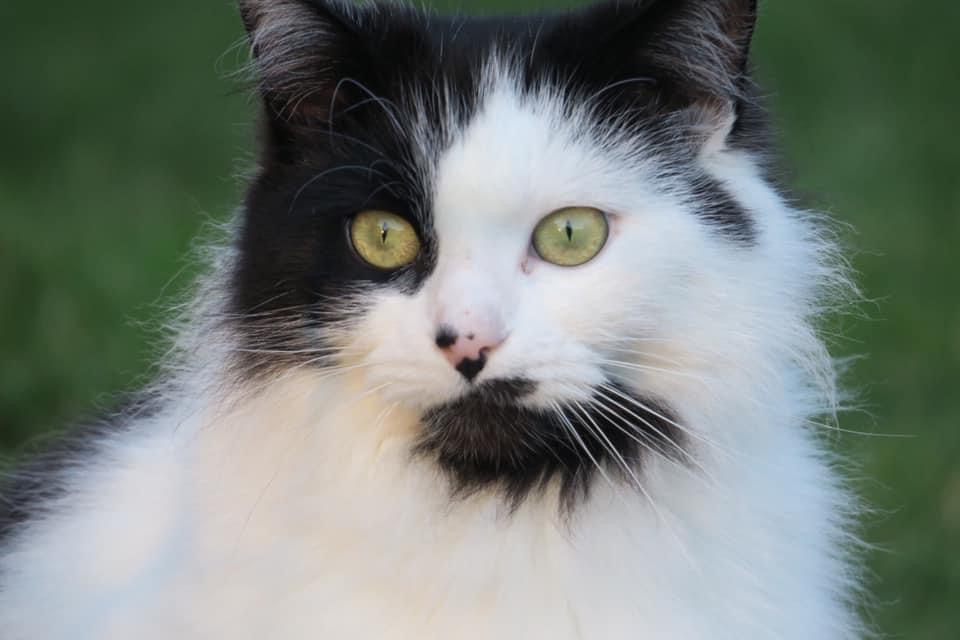
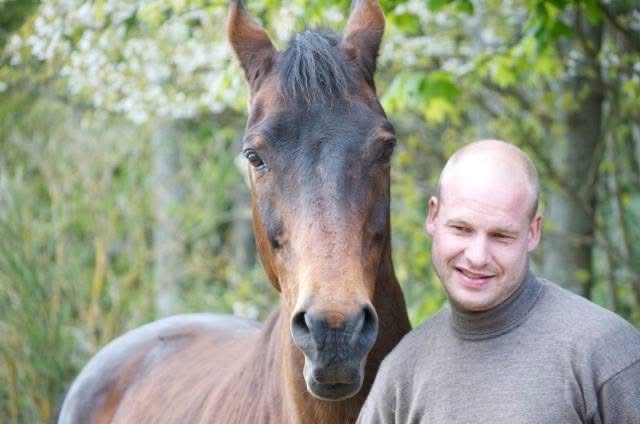
In February, Roy, the labrador joint my animal family of horses; Mona Lisa, Monkey and Maybe, cat; Phantom and two chickens.
Roy, the Lab pupMona LisaMonkeyMaybePhantomTim & Mirko
Life does not go on but the animals give me pupose; someone needs to look after Phantom, who was so clearly Tim’s cat that for weeks after he died she would not speak to me. She is good friends with Roy now and both do get up to a lot of mischievous behaviour.
I am also surrounded by an amazing team of drivers and we have some exiting plans for Starfish Taxis, a bunch of really good friends and not to forget my yoga community!
Despite the silence on this website I have had the honour of touring Scotland with a number of amazing guests – some of which had to endure my crying (apologies!) but that only shows the love I have for Tim and all of you have been so very kind!
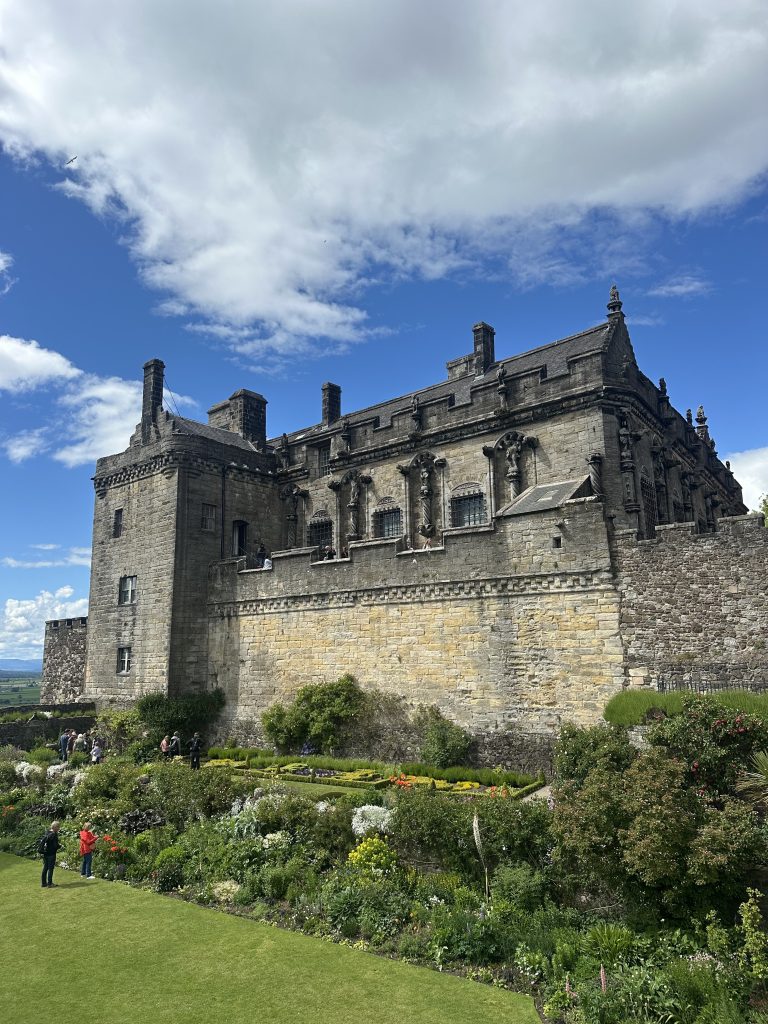
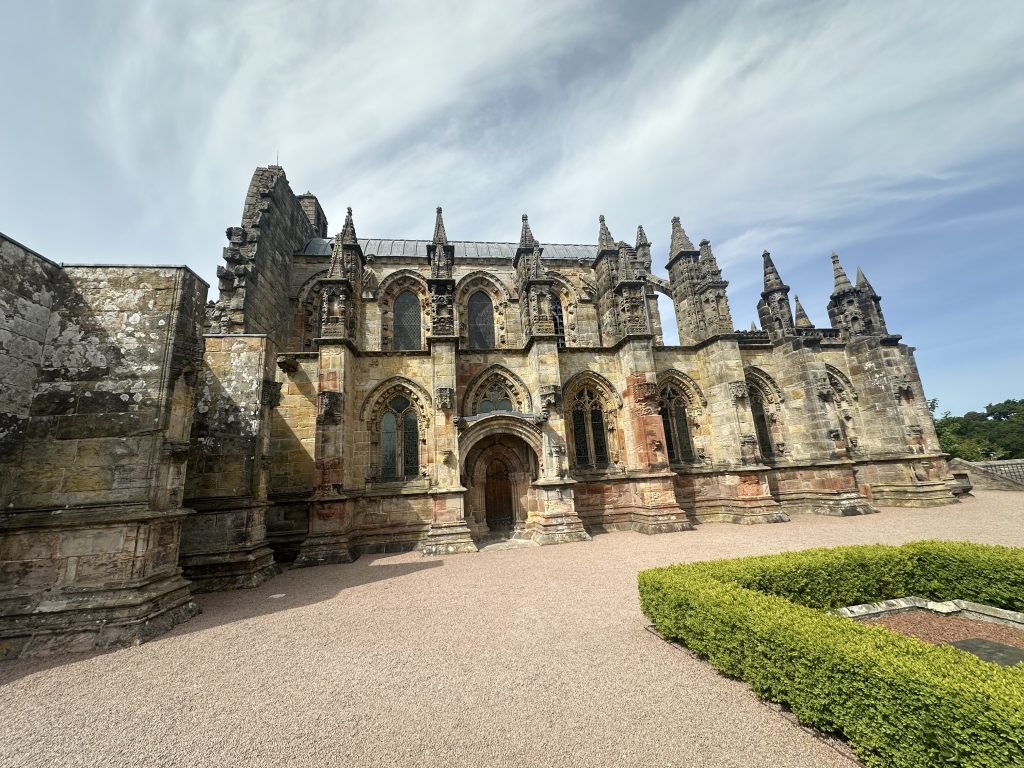
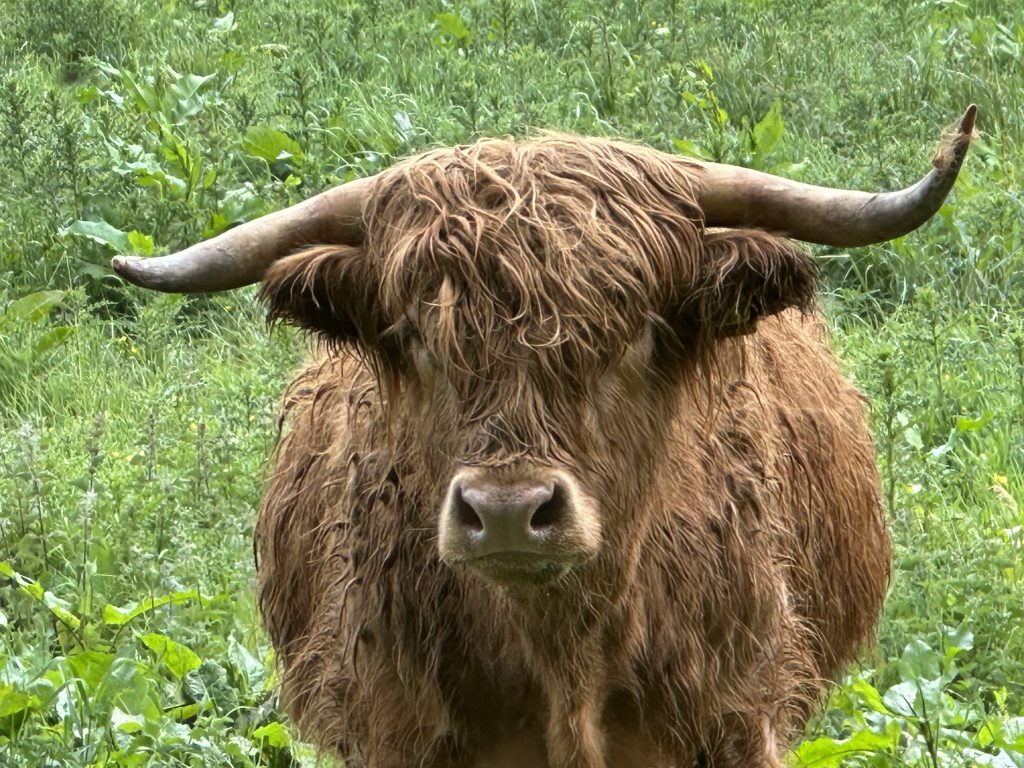
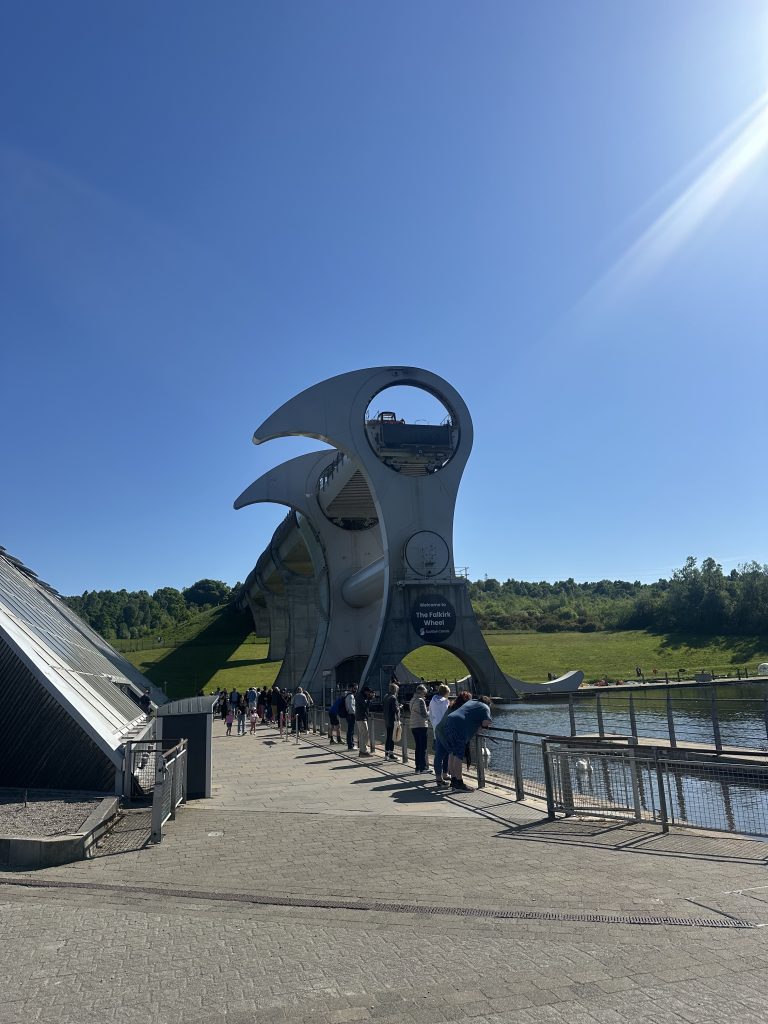
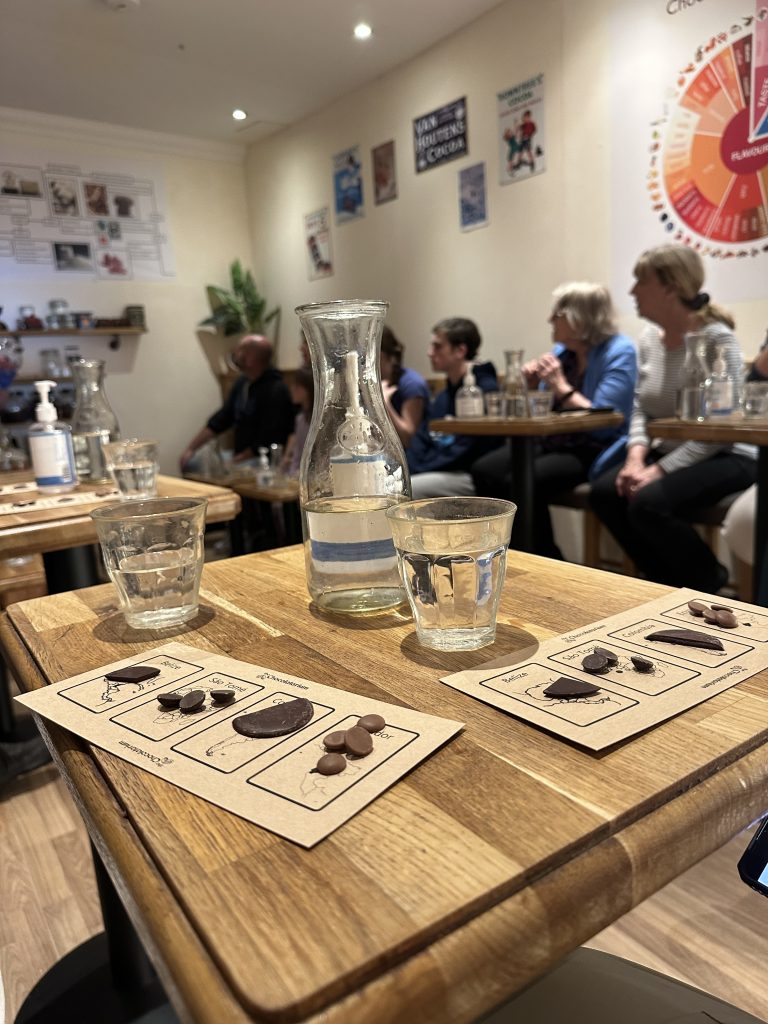
The KelpiesSunset over the river TayStilring Castle, James V PalaceRoyal MileRosslyn ChapelHighland CowFalkirk WheelChocolatarium, Edinburgh
Onwards and upwards (family motto of the Lorimers)